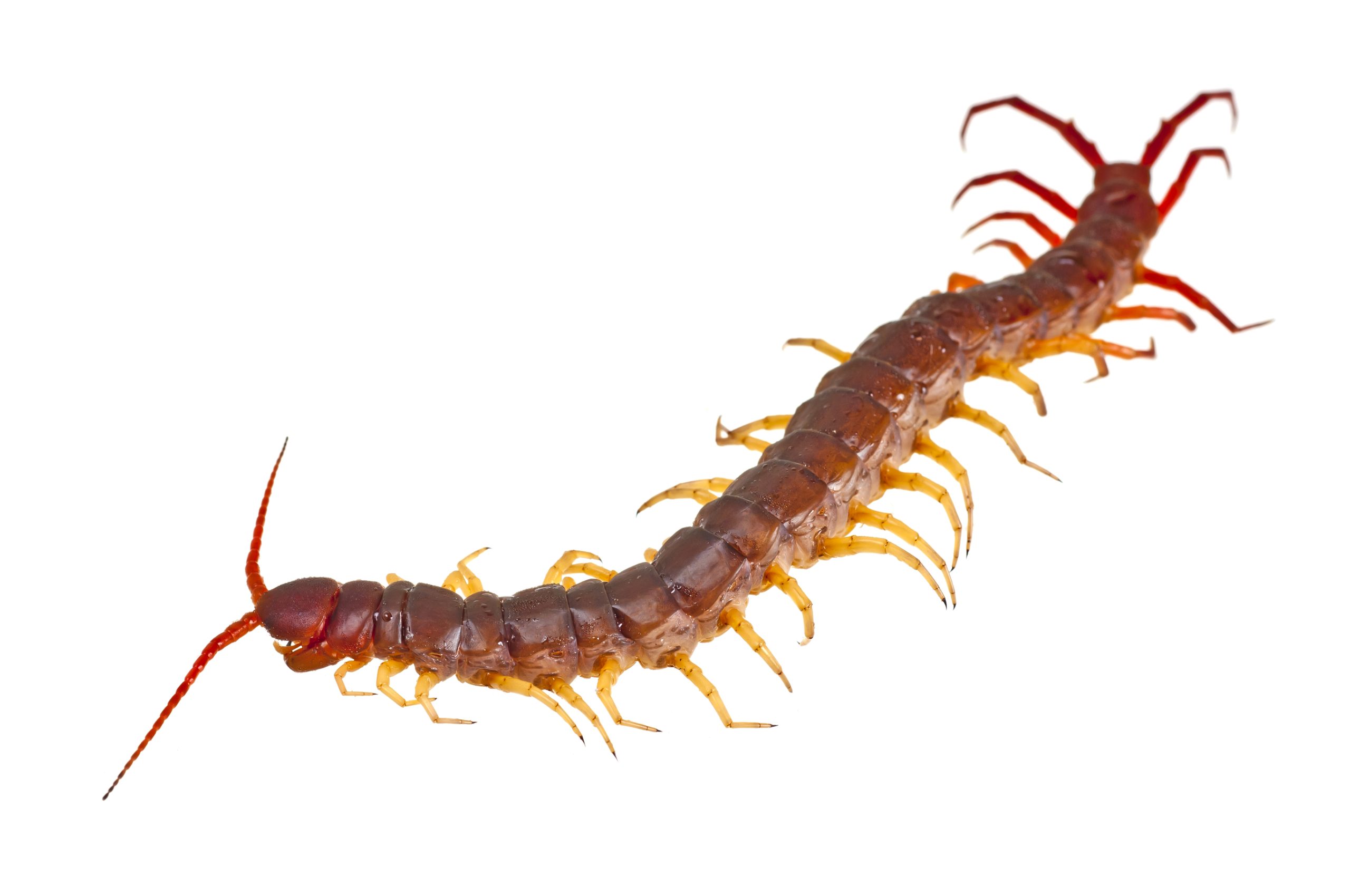
Households across Albuquerque and beyond are no strangers to unwelcome visitors. Unseen invaders can pose serious health risks, damage property, and create stressful living conditions. Identifying pests early is crucial to preventing infestations and protecting your home. A proactive approach can save time, money, and stress down the line, whether you’re dealing with a small nuisance or a full-blown infestation.
Common Household Pests
Understanding common household pests and their behaviors is the first step in keeping your home safe. These pests often enter homes in search of food, water, or shelter, and even the cleanest homes are not immune. Here’s a breakdown of the most frequent invaders and how to spot them:
1. Ants
Ants are among the most frequent intruders. Ant infestations in the home often appear as small trails leading to food sources like sugar, crumbs, or pet food. Certain species, such as carpenter ants, can damage wood structures, making early detection important. Signs of an infestation include:
- Visible trails of ants on floors, countertops, or walls
- Tiny piles of sawdust near wooden structures
- Ants inside pantries or kitchen cupboards
Prevent ant infestations by keeping surfaces clean, sealing food in airtight containers, and filling cracks or gaps where ants may enter. Regular monitoring can catch colonies before they become a significant problem.
2. Cockroaches
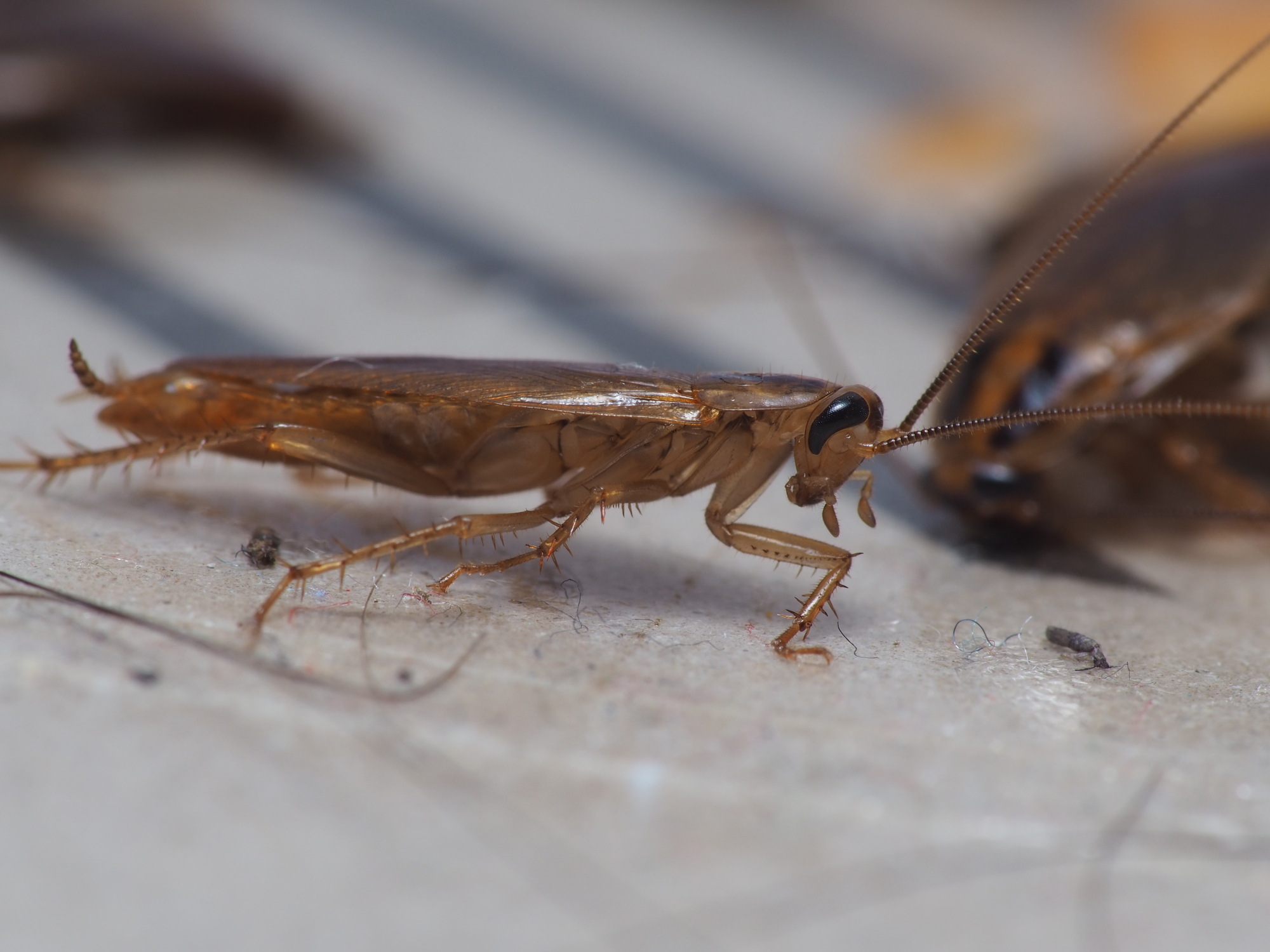
Cockroaches are fast breeders and can carry bacteria, making them a serious health concern. Knowing how to kill cockroaches effectively is vital. Common signs include:
- Dark droppings that resemble black pepper flakes
- A musty odor in cupboards, cabinets, or hidden areas
- Shed skins or egg cases
Cockroaches prefer warm, humid areas like kitchens, bathrooms, and basements. While DIY sprays and baits can help, professional treatment is often the most effective way to eradicate them completely.
3. Rodents (Mice and Rats)
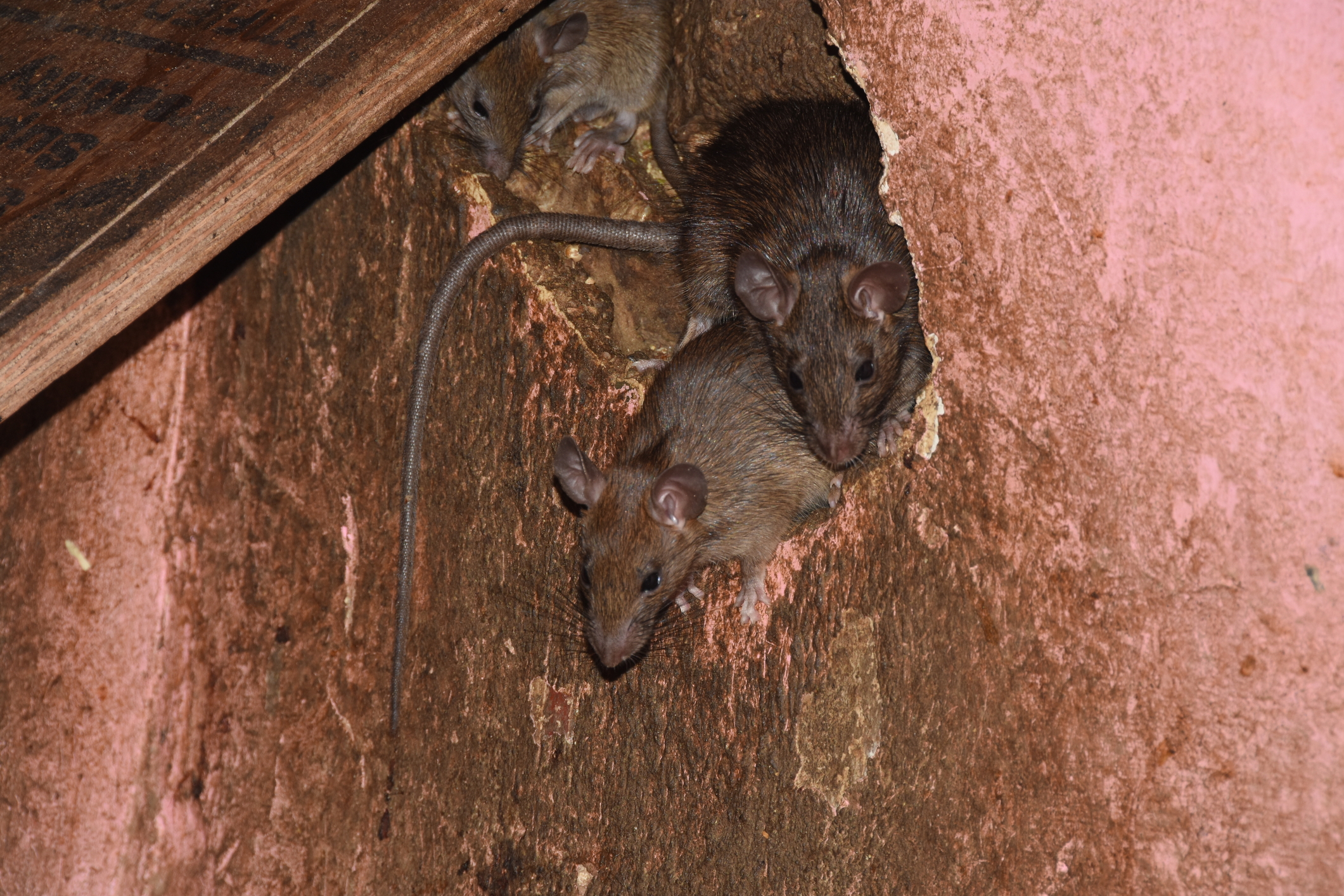
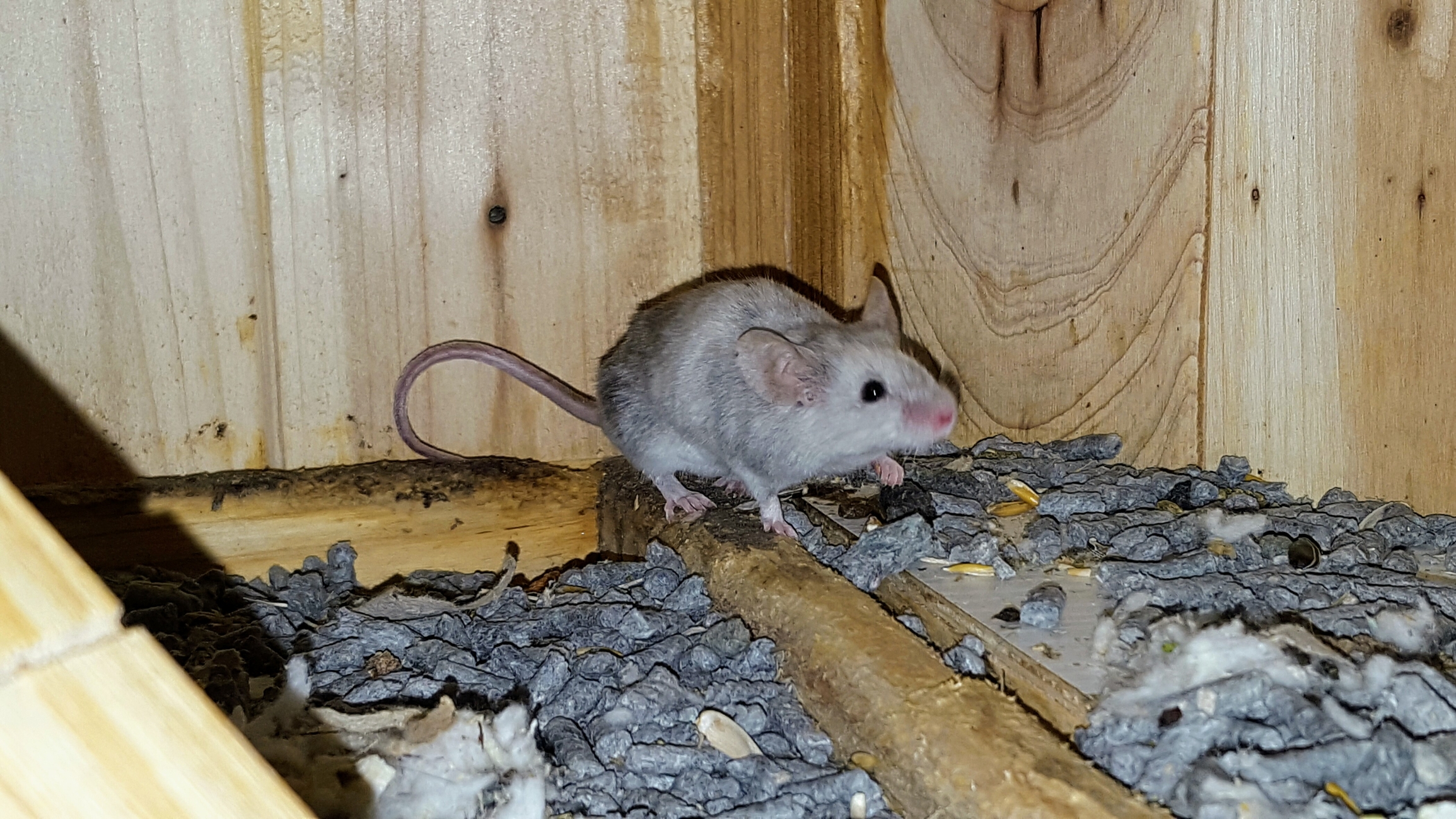
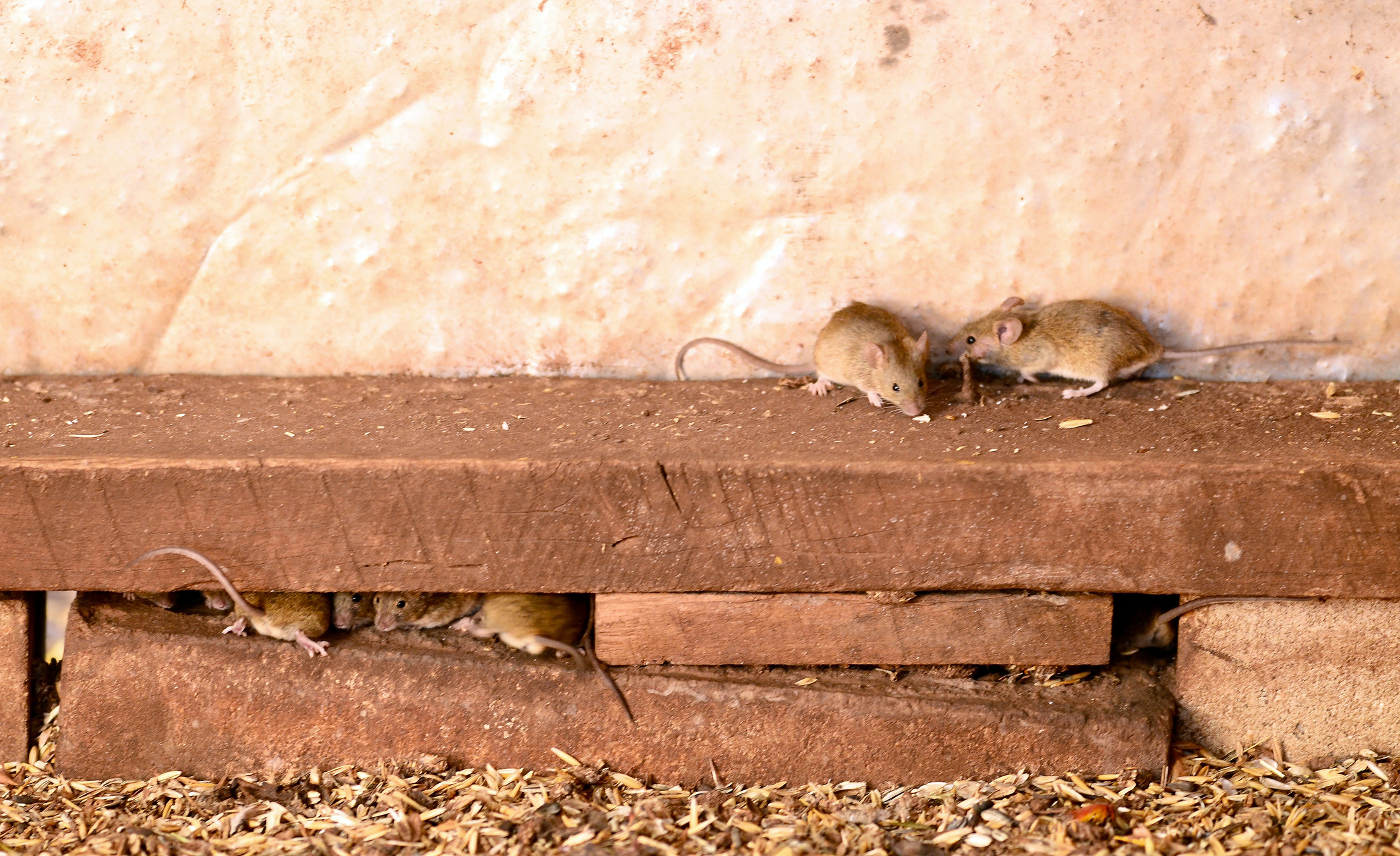
Rodents are more than a nuisance and can spread disease and damage property. Signs and identification include
- Droppings along baseboards, cabinets, or drawers
- Chewed wires, boxes, or furniture
- Nocturnal scratching or scurrying noises
Rodents can enter homes through very small gaps, so sealing entry points and storing food in containers is essential. For persistent problems, hiring pest control services in Albuquerque NM ensures safe and effective removal.
4. Bed Bugs
Bed bugs are small, reddish-brown insects that feed on human blood, usually at night. Common signs of pests in home include:
- Small bite marks on arms, legs, or torso
- Rust-colored stains on bedding or mattresses
- Live bugs or shed skins in seams of mattresses or furniture
Bed bugs can spread quickly and are notoriously difficult to eliminate with DIY methods. Professional treatments are often necessary to remove infestations safely and thoroughly.
5. Termites
Termites are silent destroyers that can cause severe structural damage over time. Signs of termite activity include:
- Hollow-sounding or damaged wood
- Tiny holes in wooden structures
- Mud tubes along walls or foundations
Termite prevention involves keeping wood away from soil, regular inspections, and addressing leaks or damp areas. Early detection is key to avoiding costly repairs.
6. Spiders
While most spiders are harmless, their presence is often unwanted. Common signs include:
- Cobwebs in corners, basements, attics, or behind furniture
- Sightings of multiple spiders in dark or undisturbed areas
Regular cleaning, decluttering, and removing webs can reduce spider hiding spots. Some species may pose a minor health risk if bitten, so monitoring their presence is recommended.
7. Mosquitoes
Mosquitoes are more than irritating and can carry diseases like West Nile Virus or Zika. Mosquito prevention indoors is essential and includes
- Eliminating standing water in and around the home
- Using window screens and door seals
- Applying indoor-safe repellent
Preventive measures, along with maintaining a clean yard, help minimize mosquito entry and breeding.
8. Flies
Flies reproduce quickly and are attracted to garbage, food, and pet waste. Signs of fly infestations include:
- Persistent buzzing around the kitchen or trash bins
- Maggots in uncovered garbage
- Frequent sightings despite cleanliness
To prevent flies, maintain proper sanitation, cover trash bins, and dispose of waste regularly.
9. Pantry Pests
Pantry pests like weevils and moths often infest grains, cereals, and dry goods. Pests attracted to food include:
- Small holes in food packaging
- Larvae or adult insects in stored grains
- Unusual odors in pantries or cupboards
Keep food in airtight containers and inspect it regularly. Freezing new products for a few days can kill eggs before they hatch.
10. Wasps and Bees
Wasps and bees can seek shelter inside homes, especially in attics, eaves, or unused areas. Watch for:
- Nests in rafters, attics, or exterior eaves
- Increased activity near windows or doors
- Stings or buzzing near living areas
Professional removal is recommended to avoid allergic reactions or stings.
Home Pest Prevention Tips
Maintaining a pest-free home involves both proactive and reactive measures. Here are some essential steps:
- Keep kitchens and living spaces clean and free of crumbs or spills.
- Seal cracks, gaps, and other entry points to prevent pests from entering.
- Remove standing water or moisture buildup, which can attract insects and rodents.
- Monitor for common signs of pests in home to catch infestations early.
- Schedule regular general pest control inspections to stay ahead of potential problems.
For serious infestations or ongoing issues, contacting The Pest Of Times LLC, an affordable pest control company, ensures safe, effective, and reliable treatment. Their professional services complement preventive measures and help keep pests from returning year-round.
FAQ
- How can I tell if I have a pest infestation?
Look for droppings, damaged food or furniture, unusual smells, or live insects. Early detection can prevent larger problems. - Are all household pests dangerous?
Not all pests are harmful, but many can carry diseases or damage property. Prompt action is always recommended. - Can I handle pest control myself?
DIY methods may work for minor issues, but professional treatments are safer and more effective for persistent infestations. - How often should I schedule pest control inspections?
Every 3–6 months is ideal. Seasonal inspections can detect problems early and prevent major infestations. - What’s the best way to prevent pests from entering my home?
Seal food, maintain cleanliness, remove standing water, seal entry points, and consider professional inspections.
By understanding common household pests and taking preventive steps, homeowners can maintain a safer, cleaner, and more comfortable living environment. Early detection, combined with proper sanitation and professional assistance when needed, is the most effective way to keep your home pest-free year-round.