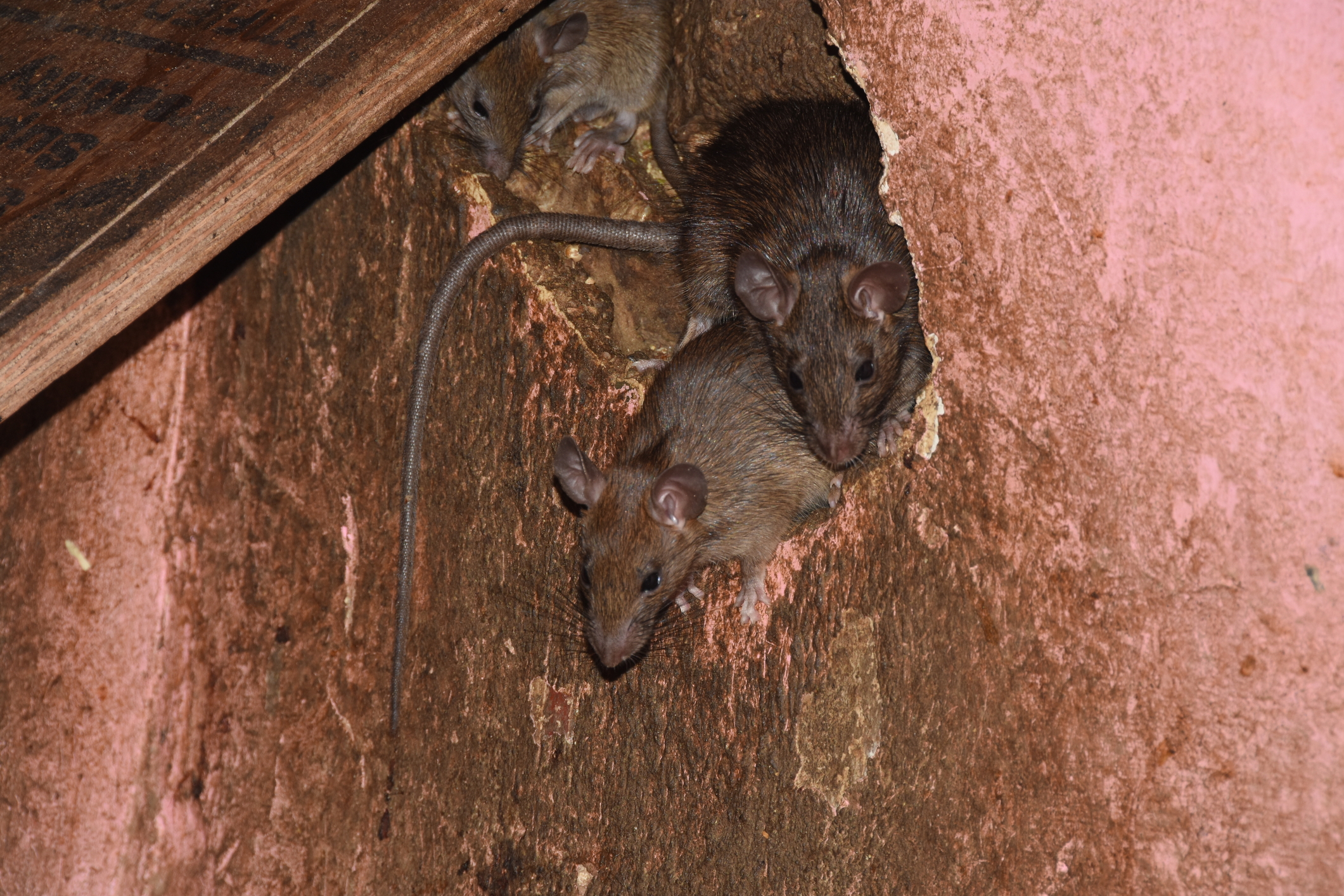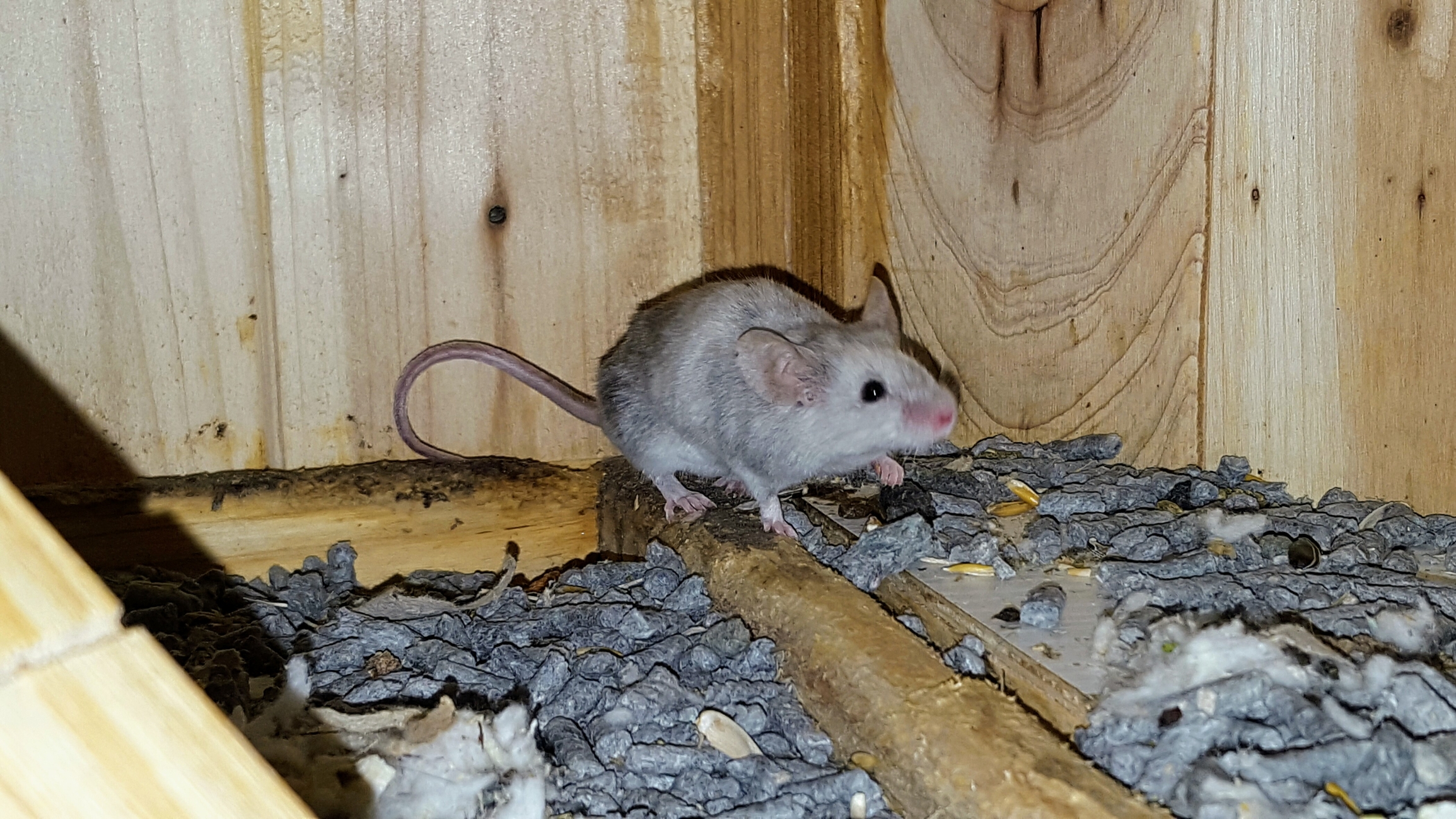
At first you assume it is nothing. Then the sound returns the next evening. Soon you are buying traps, setting bait, and hoping the problem disappears.
But traps treat symptoms. They rarely solve the cause.
Rodent exclusion takes a completely different approach. Instead of catching rodents after they enter, it prevents them from getting inside at all. The idea is surprisingly simple and remarkably effective.
Key Takeaways
- Rodent exclusion blocks rodents by sealing entry points around the home
- It solves the root cause instead of repeatedly trapping animals
- Prevention protects health, wiring, and structural safety
- Professional inspection ensures even tiny openings are sealed properly
What Is Rodent Exclusion
Rodent exclusion is the process of identifying and sealing every opening that rodents could use to enter a building.
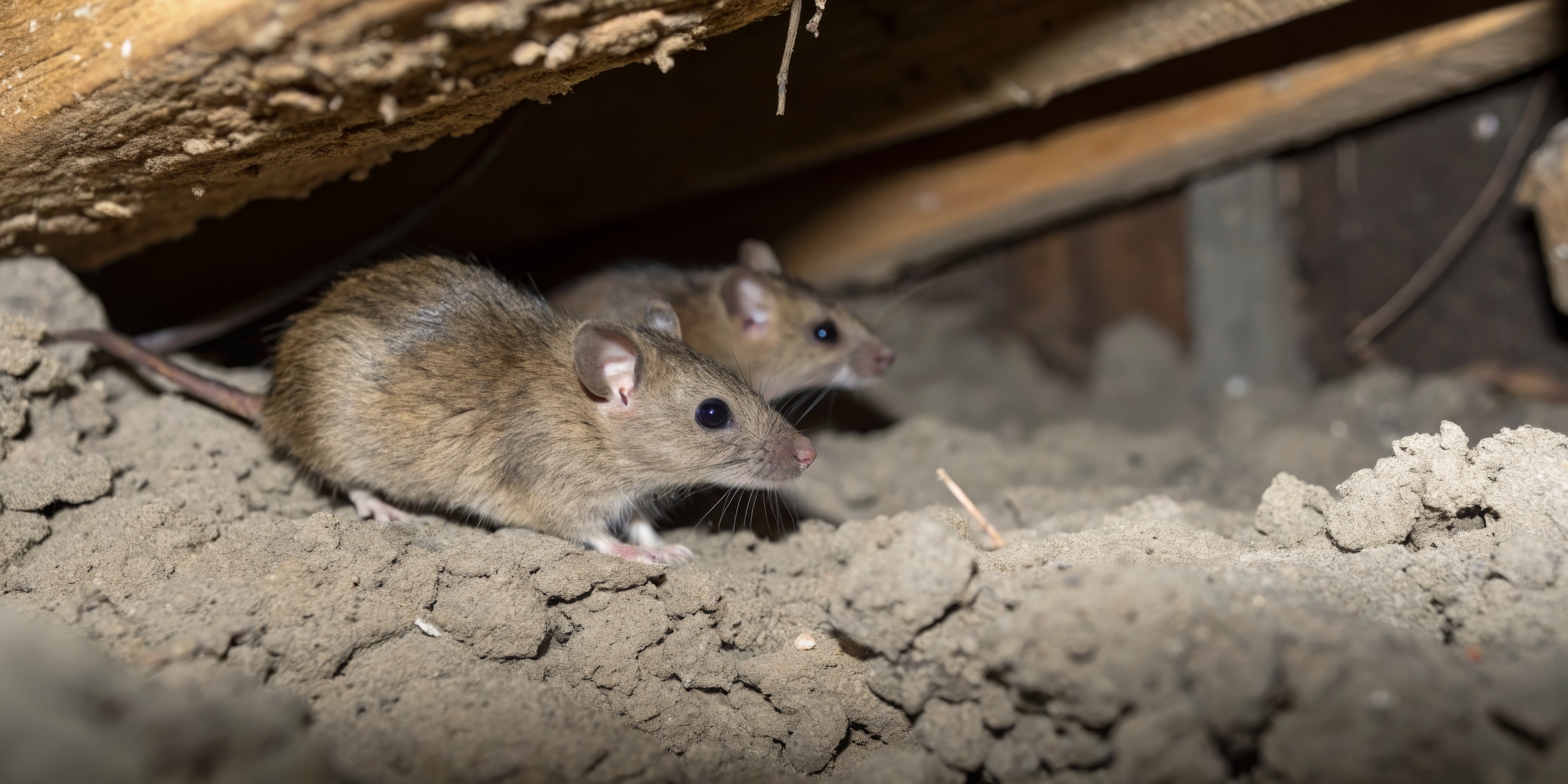
Mice can squeeze through openings about the size of a dime. Rats need only slightly larger gaps. Because homes naturally develop cracks and gaps over time, these tiny openings often become hidden doorways for pests.
Once rodents enter, they contaminate surfaces, chew materials, and build nests inside insulation and walls.
According to the CDC, rodents can spread diseases through contaminated droppings and urine that become airborne during cleaning.
The goal of exclusion is simple. Remove access and the infestation cannot continue.
Why Rodent Exclusion Works Better Than Traps
Traps catch rodents that already entered. Exclusion stops the next wave from arriving.
Think of it like operational finance in a business. Smart companies do not only fix financial problems after they occur. They improve systems that prevent waste and inefficiency in the first place.
Rodent exclusion follows the same logic. Instead of reacting repeatedly, it strengthens the structure itself.
The Three-Step Rodent Exclusion Method
Professionals typically follow a simple but thorough framework.
- Inspection
A full exterior inspection identifies cracks, gaps, and structural weaknesses. - Sealing Entry Points
Materials such as steel mesh, copper wool, and durable sealants block openings rodents cannot chew through. - Prevention Improvements
Adjustments around the home remove food, water, and shelter sources.
This systematic process mirrors the discipline seen in operational finance systems where consistent checks prevent recurring problems.
Practical Prevention Steps Homeowners Can Take
Some exclusion improvements are simple and surprisingly effective.
Prevention Action | When It Helps | Simple Cue | Common Mistake |
Seal small cracks | Foundation gaps appear | Check around pipes | Using foam rodents chew through |
Install vent screens | Attic or crawlspace vents | Look for mesh covers | Leaving plastic vents exposed |
Store food properly | Kitchens or garages | Airtight containers | Open pet food bags |
Trim vegetation | Branches touching roof | Keep plants 18 inches away | Dense bushes near walls |
These steps reduce opportunities for rodents before they even try to enter.
Common Mistakes Homeowners Make
Even well-meaning homeowners sometimes overlook key issues.
Relying only on traps
Traps control numbers temporarily but do not stop entry.
Ignoring tiny openings
Rodents can enter through surprisingly small gaps.
Delaying inspections
The longer rodents stay, the more damage they can cause.
This is where professional services help. Experts approach the problem the same way operational finance professionals analyze systems. They look for the hidden weaknesses others miss.
A Real-World Scenario
Imagine a homeowner hearing scratching in the attic every night. After weeks of traps, the noises keep returning.
During an exclusion inspection, a technician discovers a quarter-inch gap around a roof vent and a small opening near a utility pipe.
Once sealed with steel mesh and durable sealant, the noises stop within days. No new rodents can enter.
The solution was not more traps. It was closing the door they used.
Final Words
Rodent exclusion is a prevention strategy that stops rodents from entering a home by sealing structural gaps and openings. Many homeowners turn to professional rodent exclusion services to ensure every potential entry point is properly identified and sealed. Instead of relying on traps or bait, it focuses on fixing the entry points rodents use. This method protects homes from contamination, damage, and recurring infestations. When done properly, rodent exclusion creates a long-term barrier that keeps rodents out for good.
FAQs
What makes a good rodent exclusion service
A good service includes a full exterior inspection, durable sealing materials, and long-term prevention recommendations.
What are the best practices for rodent prevention
Seal gaps, store food in airtight containers, trim vegetation near walls, and repair structural cracks quickly.
How do professionals find rodent entry points
Technicians inspect the entire structure from the foundation to the roofline, focusing on vents, pipes, and small cracks.
When should homeowners consider rodent exclusion
If you hear scratching in walls, notice droppings, or repeatedly catch rodents in traps.
Is rodent exclusion better than traps
Yes. Traps remove rodents already inside while exclusion stops new ones from entering.
How long does rodent exclusion last
When performed properly with durable materials, exclusion can protect a home for many years.
What does professional rodent exclusion cost
Costs vary depending on the number of entry points and size of the home.
Are rodent problems dangerous
Yes. Rodents can contaminate surfaces, spread diseases, and damage electrical wiring.