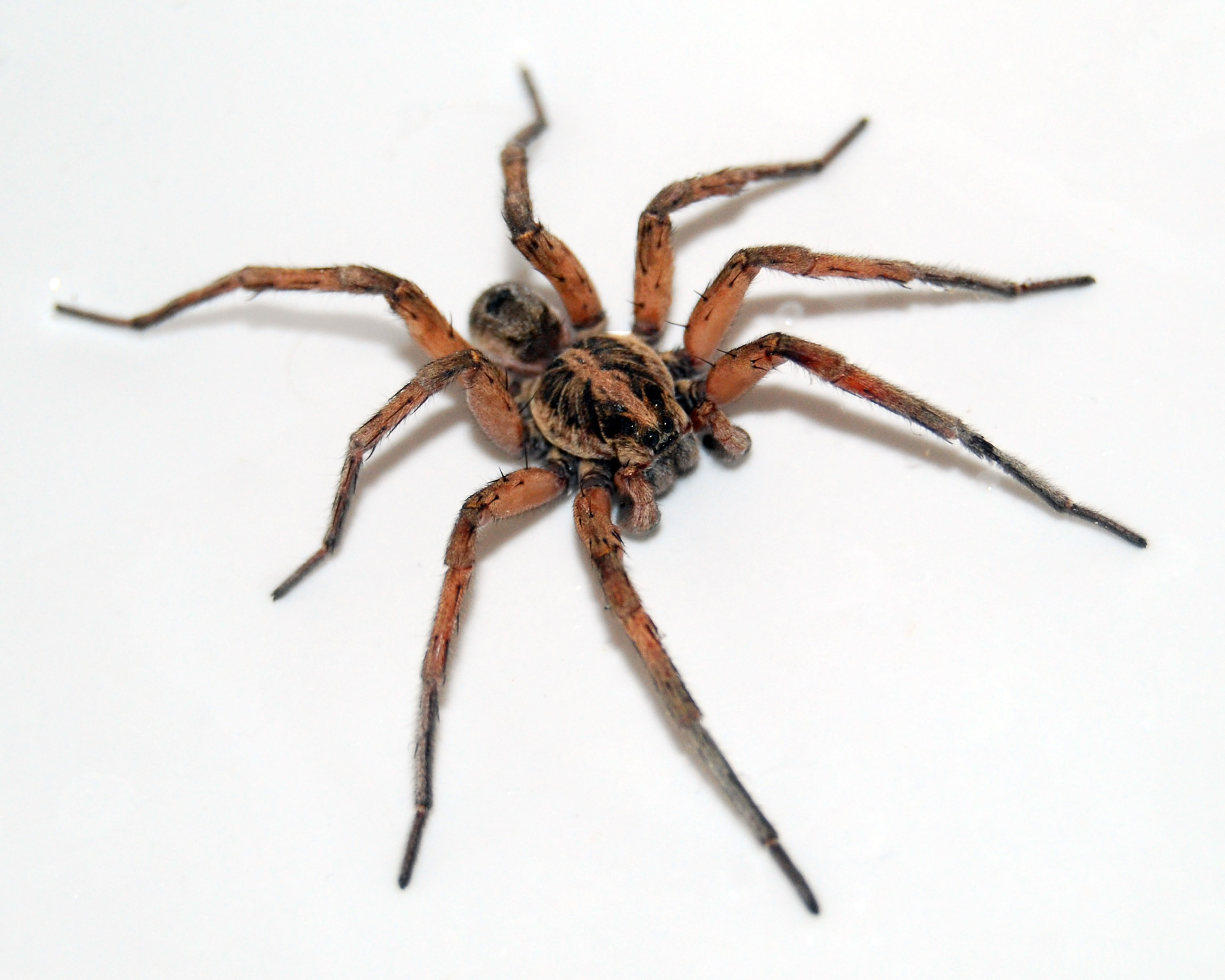
You are folding laundry in the basement when something small disappears behind a storage box. At first, you ignore it. A few nights later, you notice a web stretched across a dark corner near the water heater. Then comes the uneasy thought most homeowners have at some point. What if the spider hiding in your home is dangerous?
For many people, spiders are simply unpleasant to look at. But certain species can create legitimate safety concerns indoors, especially when they settle into quiet spaces where people rarely look. The problem is not always the spider itself. It is the uncertainty that comes with not knowing what is hiding in your home, where it may appear next, or whether a bite could become serious.
Understanding how these spiders behave indoors can help you respond calmly, protect your family, and avoid turning a manageable issue into a larger infestation.
Key Takeaways
- Some spiders found indoors may pose health risks through painful or medically significant bites.
- Cluttered and undisturbed spaces often increase the chances of an indoor spider infestation.
- Early poisonous spider identification helps reduce unnecessary panic and supports safer removal.
- Prevention focuses on reducing hiding places, sealing entry points, and limiting insect activity indoors.
What Are Poisonous Spiders?
Poisonous Spiders are species capable of delivering venom through a bite that may cause mild to severe reactions in humans or pets. While most spiders prefer avoiding people, certain species become risky when they live close to human activity indoors.
One of the biggest misconceptions is that every spider inside a home is dangerous. In reality, most are harmless and even help reduce insect populations. The concern grows when dangerous house spiders establish themselves in dark, hidden areas where accidental contact becomes more likely.
Why Spiders Move Indoors
Spiders usually enter homes for three reasons. They are searching for food, shelter, or stable temperatures.
Homes naturally attract insects, which become a reliable food source. Basements, garages, crawl spaces, and attics also provide the kind of quiet environment spiders prefer. Once they find suitable conditions, they often remain unnoticed for long periods.
You may already have conditions that encourage poisonous spiders in house environments without realizing it. Stacked cardboard boxes, cluttered closets, unused shoes, and poorly sealed windows all create ideal hiding spots.
Common Areas Where Spiders Hide
If you have ever wondered where spiders hide inside homes, the answer is usually anywhere dark and undisturbed.
Some common indoor hiding places include:
- Behind furniture and storage boxes
- Inside garages and sheds
- Under sinks and near plumbing lines
- Attics and crawl spaces
- Closets filled with rarely used items
These locations give spiders protection while keeping them close to insects and moisture sources.
The Real Risks of Indoor Spider Activity
Fear often makes spider problems feel larger than they are, but there are genuine risks homeowners should take seriously.
The most immediate concern involves bites. Although severe reactions are uncommon, symptoms of spider bites can include swelling, redness, pain, nausea, muscle discomfort, or skin irritation. Children, older adults, and pets may be more sensitive to certain bites than healthy adults.
According to the Centers for Disease Control and Prevention, some venomous spider bites may require medical attention if symptoms worsen or involve difficulty breathing or spreading pain.
CDC Spider Bite Guidance
Beyond health concerns, spiders also create psychological stress. Many homeowners describe constantly checking corners, avoiding storage areas, or struggling to sleep comfortably after repeated sightings indoors.
Signs You Should Not Ignore
One spider does not always mean you have a serious issue. But repeated activity may indicate a growing population.
Signs of poisonous spiders indoors often include:
- Multiple webs appearing in low traffic areas
- Egg sacs attached to walls or stored items
- Increased insect activity indoors
- Frequent sightings at night
- Spider activity near bedding, shoes, or clothing
Ignoring these warning signs can allow populations to spread quietly throughout the property.
A Simple Framework for Safer Prevention
Many people react emotionally when they see spiders. The better approach is a consistent prevention strategy.
The “Reduce, Seal, Clean” Framework
1. Reduce Clutter
Spiders thrive in areas where items remain untouched for long periods. Organizing storage spaces removes hiding opportunities.
2. Seal Entry Points
Small gaps around doors, vents, windows, and pipes allow spiders to enter easily. Sealing openings limits access.
3. Clean Consistently
Vacuuming corners, removing webs, and reducing insect activity lowers the chances of spiders settling indoors.
This framework works because it targets the environment rather than relying only on temporary sprays.
Spider Prevention Habits That Actually Help
People often search for how to keep spiders away using quick fixes, but long term prevention usually depends on consistency.
Prevention Practice | When It Helps | Simple Cue | Common Mistake |
Decluttering storage areas | During seasonal cleaning | Remove unused cardboard boxes | Leaving clutter untouched for years |
Sealing gaps and cracks | Before weather changes | Check doors and windows | Ignoring small openings |
Reducing moisture indoors | In humid spaces | Repair leaking pipes | Focusing only on visible spiders |
Outdoor maintenance | Around foundations | Trim vegetation near walls | Letting debris pile up |
Routine inspections | During pest season | Check dark corners monthly | Waiting until sightings increase |
Why Identification Matters
Panic often causes homeowners to overreact. Accurate poisonous spider identification helps determine whether the spider is truly dangerous or simply unwanted.
Trying to identify species without experience can be difficult because many harmless spiders resemble venomous ones. This is why professional assessments matter when sightings become frequent or bites occur indoors.
A calm, informed response is always more effective than fear driven reactions.
The Hidden Link Between Insects and Spider Problems
Spiders rarely stay where food is unavailable. If your home has recurring insects, spider activity often follows.
This connection explains why some homeowners struggle with recurring sightings even after removing webs. Unless the insect population is reduced, spiders continue returning to hunt.
That is one reason professional spider control services typically focus on both spiders and the conditions attracting them.
A Realistic Homeowner Scenario
A homeowner stored old holiday decorations in the garage for years without reorganizing the space. During summer, small insects began gathering near the exterior lights and garage door. Over time, webs became more noticeable behind storage containers.
At first, the homeowner only removed the visible webs. A few weeks later, another spider appeared inside the laundry room. After a closer inspection, several egg sacs and multiple hiding spots were discovered near stacked boxes.
The issue was eventually controlled by decluttering the area, sealing small wall gaps, and addressing the insect activity attracting spiders indoors.
Situations like this are common because spider activity usually develops gradually rather than overnight.
When Professional Help Makes Sense
Not every spider sighting requires emergency treatment. However, repeated activity, suspected bites, or recurring infestations often signal the need for expert support.
Professional inspections become especially valuable when homeowners cannot safely reach attics, crawl spaces, or storage heavy areas where spiders remain hidden.
The Pest of Times LLC provides Pest control services in Albuquerque, NM for homeowners dealing with recurring spider activity and difficult indoor infestations. Professional evaluations can help identify entry points, hidden nesting areas, and environmental conditions contributing to the problem.
A Reminder Most People Need to Hear
“An ounce of prevention is worth a pound of cure.” Benjamin Franklin
That advice applies perfectly to spider prevention. Most indoor spider issues become serious only after small warning signs are ignored for too long.
Conclusion
Poisonous Spiders create concern not only because of potential bites, but because they often remain hidden until activity increases indoors. Dark storage areas, clutter, moisture, and insect populations all contribute to environments where spiders feel safe enough to stay.
The good news is that prevention usually begins with simple habits. Cleaner storage spaces, sealed entry points, and regular inspections can dramatically reduce indoor activity before it becomes overwhelming. When sightings become frequent or safety concerns grow, professional support can provide peace of mind and a clearer path forward.
Summary
Indoor spider activity often develops quietly in dark and undisturbed spaces throughout the home. While many species are harmless, some may create health and safety concerns when left unmanaged. Recognizing warning signs early, reducing clutter, and limiting insect activity are some of the most effective ways to reduce spider presence indoors. Consistent prevention and timely inspections can help homeowners feel safer and more confident in their living spaces.
FAQs
How can I tell if I have dangerous spiders indoors?
Frequent sightings in dark areas, visible egg sacs, and recurring webs may indicate growing activity. Accurate identification is important because many harmless spiders resemble dangerous species.
What are the most common symptoms of spider bites?
Symptoms of spider bites may include redness, swelling, pain, itching, or irritation. Severe reactions may require medical attention, especially if symptoms spread or worsen.
Do spiders mean my home is dirty?
Not necessarily. Spiders are often attracted to insects, moisture, and quiet hiding places rather than general cleanliness alone.
When should I contact The Pest of Times LLC for spider issues?
You should consider professional help if sightings become frequent, bites occur indoors, or spider activity continues despite cleaning and prevention efforts.
Can professional treatments help prevent future infestations?
Yes. Professional spider control services often include inspections, exclusion work, and environmental recommendations designed to reduce long term spider activity indoors.