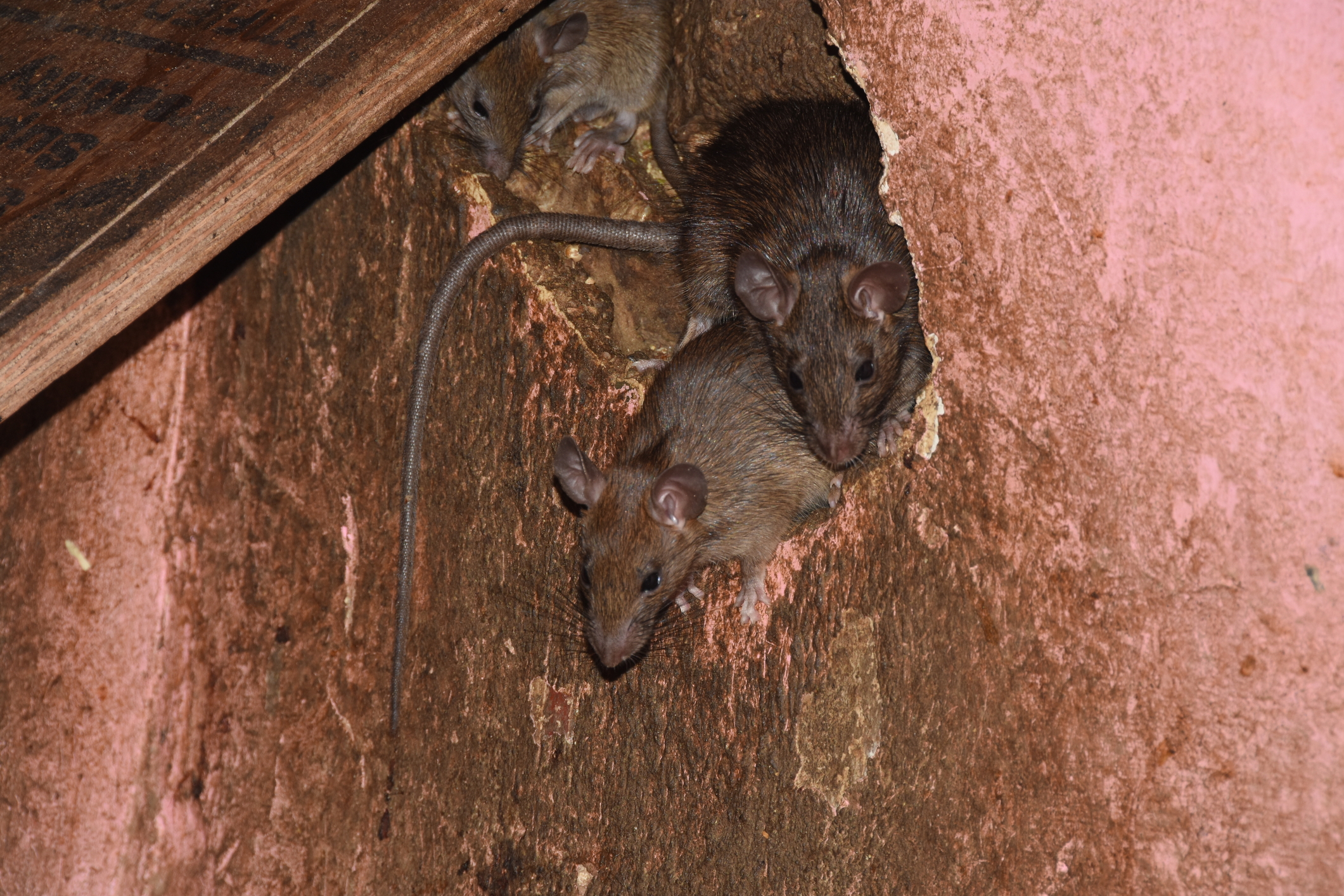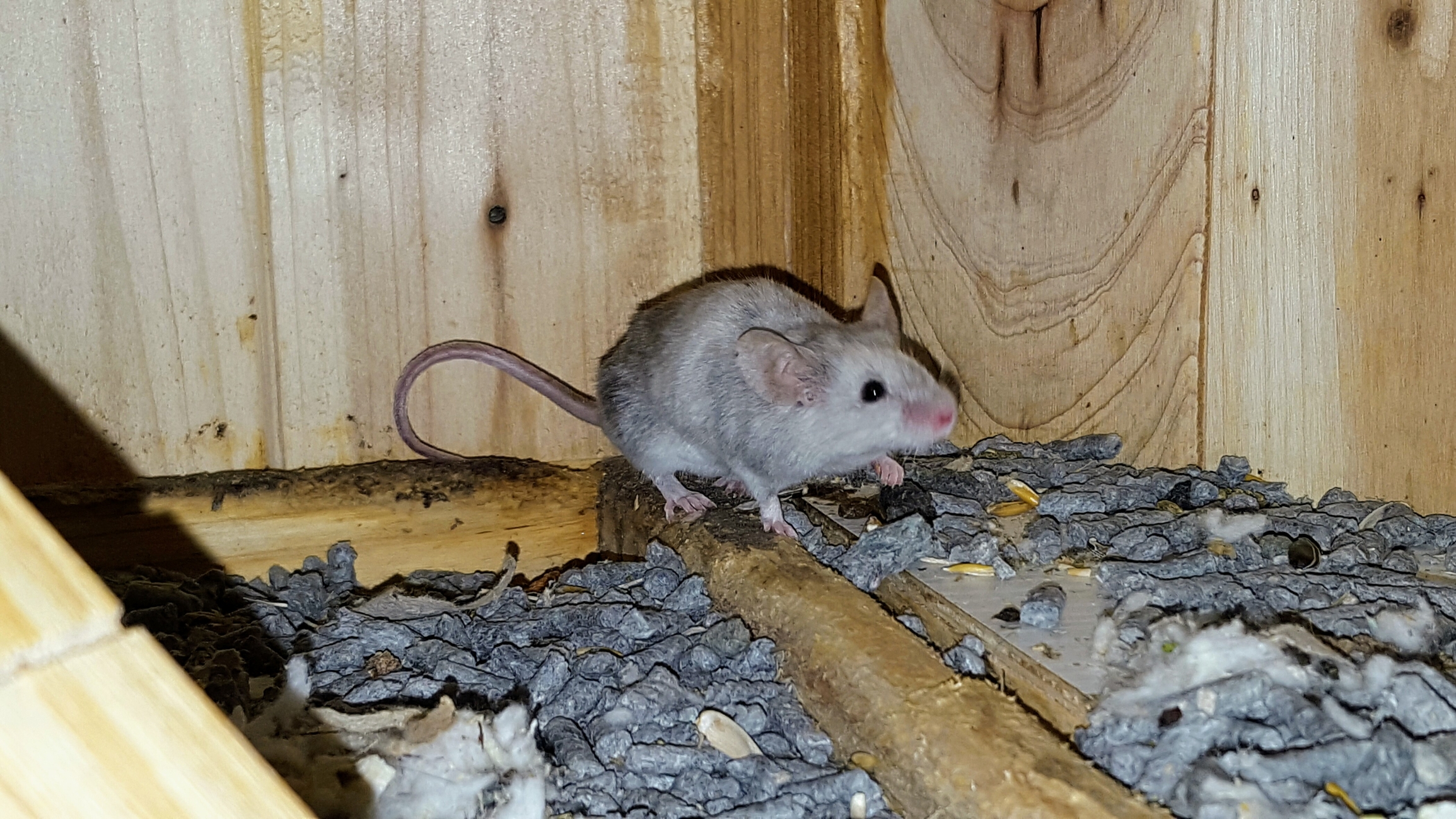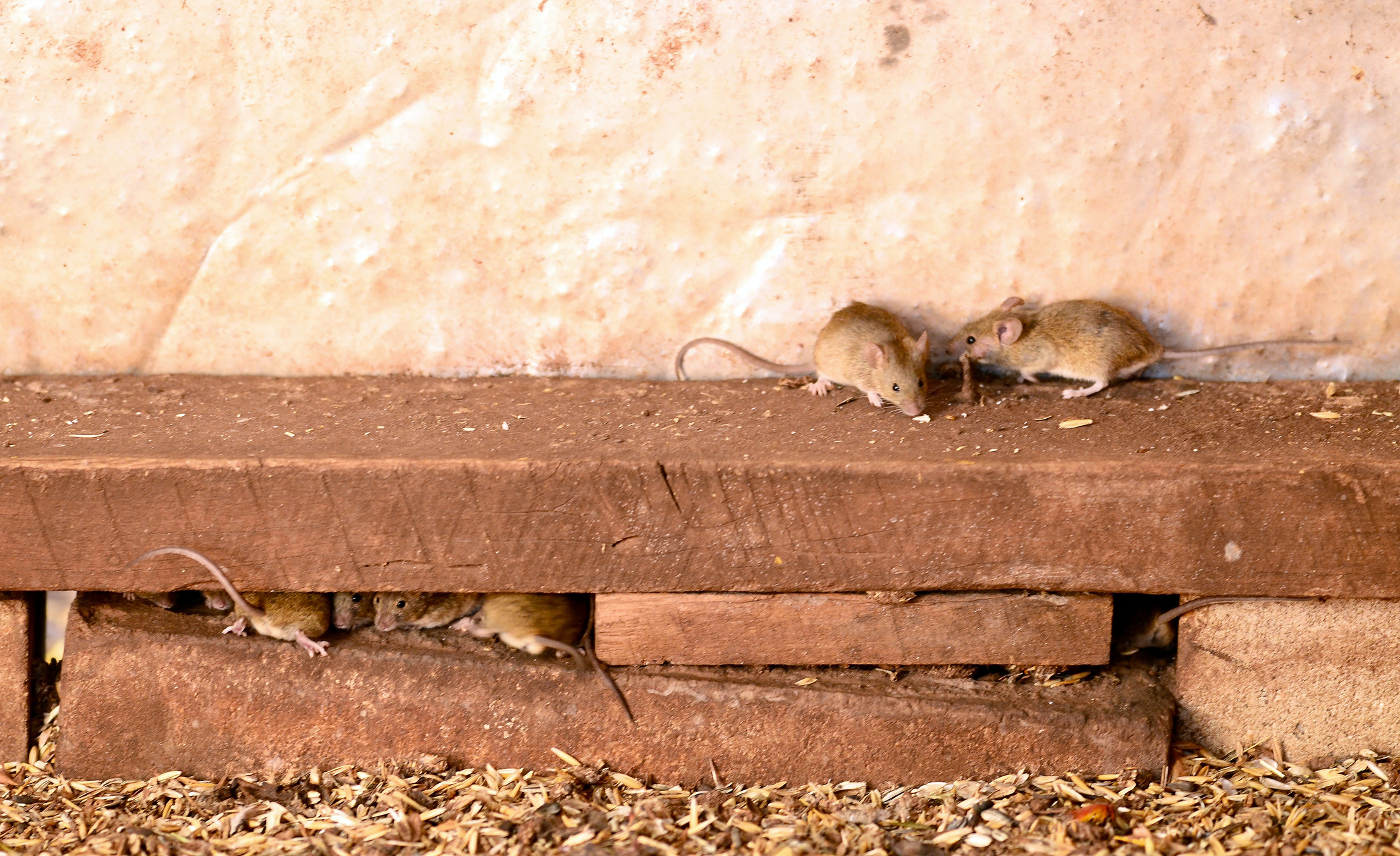
A quiet scratching sound in the walls at night is often the first sign something isn’t right. At first, you ignore it. Then you start noticing tiny droppings under the sink. Before long, the reality sets in: you’re dealing with a mouse infestation.
For many homeowners, this moment brings a sense of urgency and confusion, along with a simple question: how do professionals actually fix this?
That’s where structured, experience-based pest control makes all the difference. Understanding how experts handle Mice Infestations helps you make smarter, faster decisions and avoid repeat problems.
Key Takeaways
- Professional extermination is a step-by-step system, not a single treatment
- Inspection and entry-point detection are the foundation of success
- Exclusion (sealing access points) is what prevents reinfestation
- Treatment combines traps, baiting systems, and strategic placement
- Long-term prevention matters as much as removal itself
The Real Problem Behind Mice Infestations
A mouse infestation is rarely random. Mice enter homes searching for three things: food, warmth, and shelter. Once inside, they multiply quickly and stay hidden in walls, attics, and storage spaces.
This is why how exterminators get rid of mice is not just about removal it is about understanding rodent behavior patterns and stopping the cycle completely.
A professional mouse extermination process focuses on identifying the full scope of activity, not just visible signs.
What Counts as a Mouse Infestation?
A mouse infestation occurs when mice establish nesting areas inside a structure and begin reproducing, leading to ongoing contamination, damage, and health risks.
In simple terms:
A mouse infestation is when mice are no longer visitors they have moved in.
Step 1: Inspection and Diagnosis
The foundation of any professional mouse control method is a detailed inspection. Experts do not guess. They investigate.
Key inspection areas include:
- Mouse infestation signs in home (droppings, gnaw marks)
- Signs of mice in walls and attic
- Where mice hide in houses
- Entry points for mice in buildings
- Rodent activity inspection process
This stage helps identify how severe the issue is and which rodent control treatment steps will be needed.
Without this step, treatment becomes temporary instead of long-term.
Step 2: Treatment and Removal Strategy
Once the inspection is complete, professionals design a mice infestation treatment plan tailored to the property.
Common professional methods include:
- Mouse traps used by professionals
- Rodent baiting systems
- Snap traps vs bait stations selection
- Targeted mouse trapping strategy
- Safe rodenticide use (when necessary)
- Fast mouse elimination methods
A strong pest control mouse removal service focuses on placement strategy. It is not about using more traps, it is about placing them smarter.
Step 3: The Professional Framework (IPM Approach)
Most experts follow an Integrated Pest Management (IPM) style framework that blends inspection, treatment, and prevention.
Framework Overview
- Inspect and identify infestation zones
- Eliminate active mouse population
- Seal entry points (exclusion work)
- Sanitize affected areas
- Monitor and prevent recurrence
This structured approach is why professional rodent extermination service delivers longer-lasting results compared to DIY methods.
What Works in Real Situations
Practice | When it Helps | Simple Cue | Common Mistake |
Trapping | Active infestation | Fresh droppings | Wrong placement |
Baiting | Hidden populations | Wall activity | Overuse of bait |
Exclusion | Long-term control | Entry holes found | Ignoring small gaps |
Sanitation | Prevention support | Food exposure | Leaving clutter |
Step 4: Exclusion and Prevention Work
Once mice are removed, the real protection begins.
This is where rodent exclusion services become essential.
Key prevention actions:
- Mouse proofing home
- Sealing mouse entry points
- Pest proofing cracks and gaps
- Rodent proof insulation and sealing
- Structural exclusion for rodents
- Long term mouse prevention methods
This stage ensures the infestation doesn’t return, which is a major difference between temporary fixes and professional service.
Even homeowners using mice control services for homes often overlook this step but it is the most important.
Step 5: Sanitation and Risk Reduction
Mice leave behind more than just damage. They contaminate surfaces and food sources.
Professional sanitation advice includes:
- Cleaning after mouse infestation
- Rodent contamination risks awareness
- Food storage to prevent mice
- Reducing attractants for rodents
- Droppings cleanup safety
- Odor removal after mice infestation
Good sanitation helps break the cycle of reinfestation and supports long-term control.
Common Mistakes Homeowners Make
Even well-intentioned efforts can fail if these mistakes happen:
- Only setting traps without sealing entry points
- Ignoring attic and wall activity
- Storing food in unsecured containers
- Delaying professional help
- Assuming one cleanup solves everything
These errors often turn a small issue into a full infestation control challenge.
Real-World Example
A homeowner noticing scratching sounds in the kitchen wall tried over-the-counter traps for weeks with no success. Eventually, they called a professional extermination service, which revealed multiple entry points behind the stove and attic insulation damage.
After sealing gaps and implementing a full expert mouse removal strategy, the infestation was eliminated and did not return.
This is similar to cases handled by The Pest of Times LLC, where structured treatment and exclusion work together for lasting results.
Expert Insight
“An ounce of prevention is worth a pound of cure.” Benjamin Franklin
This quote perfectly reflects rodent control. The real success in treating Mice Infestations comes not just from removal, but from preventing conditions that allow them to return.
Why Professional Treatment Works Better
DIY solutions often focus on surface-level symptoms. In contrast, professionals address:
- Rodent behavior patterns
- Hidden nesting zones
- Structural vulnerabilities
- Entry sealing strategy
- Long-term monitoring systems
That’s why services like Mice removal services in Albuquerque, NM are structured around full-system solutions instead of quick fixes.
When to Call a Professional
If you notice recurring droppings, nighttime activity, or signs of nesting, it’s time to consider expert help. A trained technician can quickly determine the extent of infestation and apply the right combination of treatment and prevention.
Conclusion
Treating mice infestations is not a single action. It is a complete process that combines inspection, targeted removal, exclusion, sanitation, and monitoring. Professional exterminators do not just eliminate mice. They break the cycle that allows them to return.
Understanding this process helps homeowners make informed decisions and avoid costly repeat infestations. With the right approach, your home can move from reactive control to long-term protection.
Summary
Professional exterminators treat mice infestations using a structured system that targets both the problem and its cause. From inspection to exclusion, each step builds toward lasting protection. The goal is not just removal but prevention, ensuring homes stay protected from future rodent activity.
FAQ
What do professionals use to treat mice infestations?
They use a combination of traps, bait stations, exclusion sealing, and monitoring systems based on infestation severity.
How long does it take to remove mice?
It depends on the infestation size, but most professional treatments show results within days to weeks.
Are mouse extermination methods safe?
Yes, when applied by trained professionals using controlled and targeted methods.
Why do mice keep coming back?
Usually due to unsealed entry points or food sources that still attract them.
Do The Pest of Times LLC services include prevention?
Yes, professional services typically include exclusion and prevention strategies to reduce future infestations.