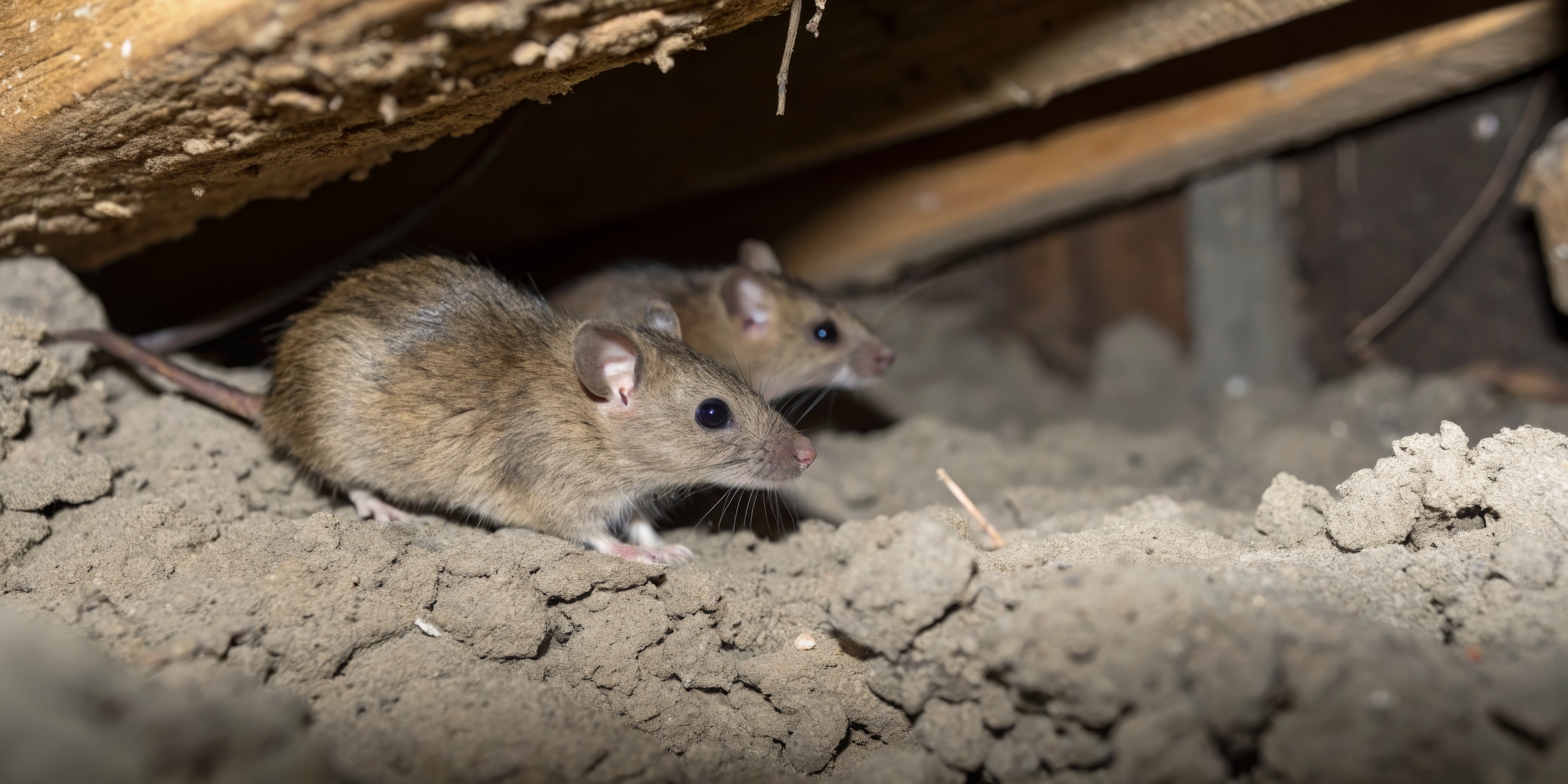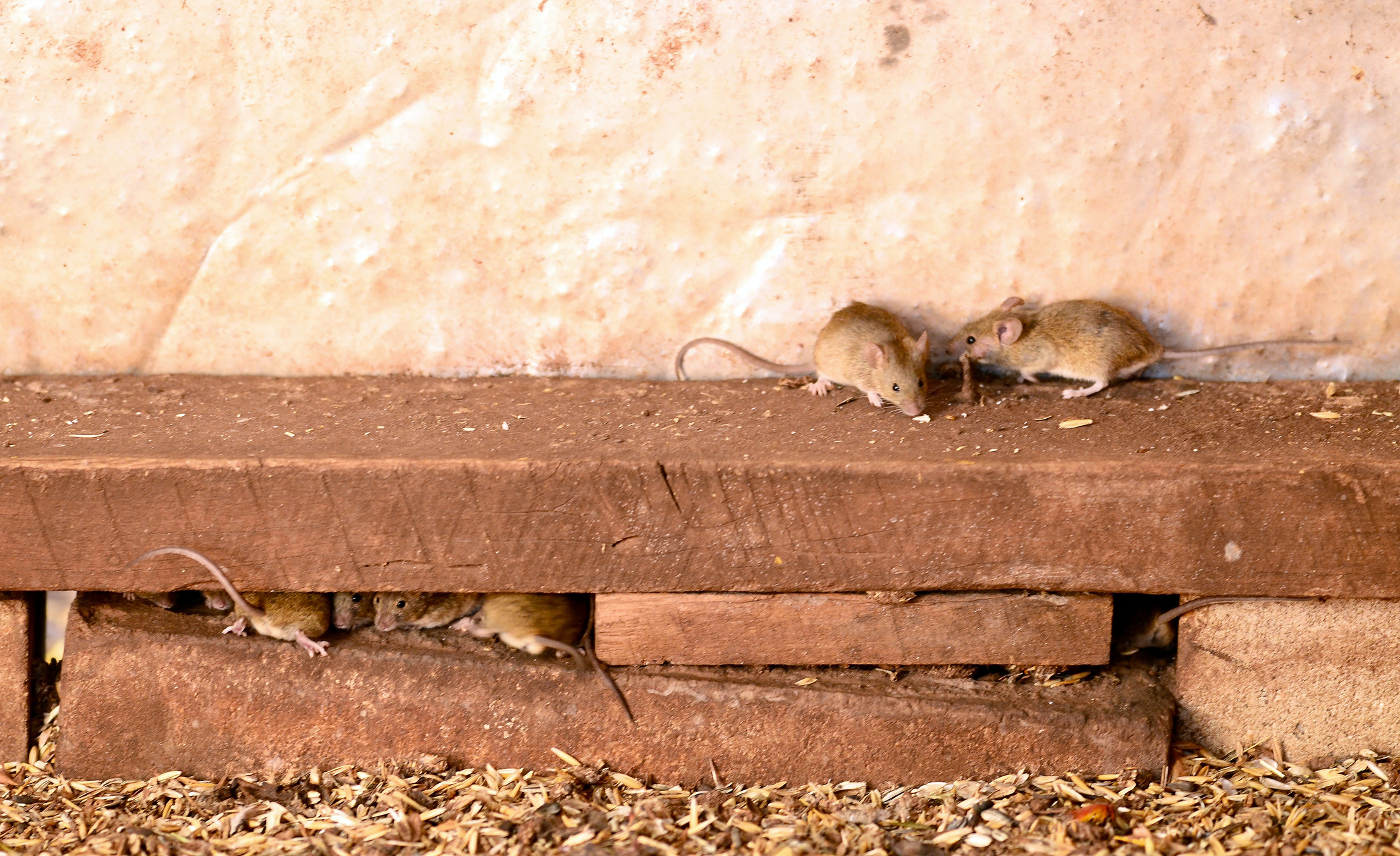
It often begins with something small. A scratching sound behind the wall. A few crumbs missing from the pantry shelf. Maybe a tiny dropping near the stove.
At first, you might ignore it. Then you buy a trap and hope the problem disappears.
But mice rarely arrive alone.
Effective mice control works the same way good operational finance systems work in business. Instead of reacting to problems repeatedly, the goal is to fix the underlying weakness that allowed the problem to happen.
In homes, that weakness is usually a tiny opening somewhere around the structure.
Key Takeaways
- Mice control works best when entry points are sealed
- Prevention stops infestations before they grow
- Small structural gaps are the most common cause
- Professional inspections often reveal hidden vulnerabilities
What Is Mice Control and Why It Matters
Mice control refers to the strategies used to prevent, remove, and manage mice in homes and buildings.
The most effective approach combines three elements.
- Prevent entry
- Remove existing rodents
- Reduce food and shelter sources
This balanced approach mirrors how operational finance systems manage risk in organizations. Instead of constantly fixing problems after they happen, strong systems focus on prevention and control.
Mice may seem small, but they can create serious health and safety risks. According to the Centers for Disease Control and Prevention, rodents can spread diseases through contact with their urine, droppings, or saliva.
The Three-Step Mice Control Framework
Professionals often follow a simple three-step system.
1. Inspection
A careful inspection identifies where mice are entering. These openings can be extremely small.
2. Exclusion
Entry points are sealed with durable materials rodents cannot chew through.
3. Monitoring
Traps or monitoring devices confirm whether activity stops.
This structured method reflects the discipline seen in operational finance planning. The goal is long-term stability, not temporary fixes.
Practical Prevention Steps Homeowners Can Take
Many simple habits reduce the chances of mice entering your home.
Prevention Action | When It Helps | Simple Cue | Common Mistake |
Seal small cracks | Foundation gaps appear | Check around pipes | Using foam mice chew through |
Install vent screens | Attic or crawlspace vents | Look for mesh covers | Leaving vents uncovered |
Store food properly | Kitchens or garages | Airtight containers | Leaving pet food out |
Trim vegetation | Branches touch roof | Keep plants 18 inches away | Dense bushes against walls |
These steps remove the conditions that attract rodents.
Common Mice Control Mistakes
Many homeowners unknowingly make the same mistakes.
Relying only on traps
Traps remove individual mice but do not stop new ones from entering.
Ignoring small gaps
Mice can squeeze through openings smaller than most people expect.
Leaving food accessible
Pet food, crumbs, and open packages attract rodents.
pes
Real-World Scenario
Imagine a homeowner who hears scratching in the attic every night. After setting several traps, the noise continues.
A technician eventually discovers a tiny gap around a roof vent and another near a plumbing pipe.
Once those openings are sealed, the activity stops completely.
The real solution was not more traps. It was eliminating the entry point.
Final Thoughts
Mice control works best when the focus shifts from reacting to preventing entry. Professional pest control services play an important role in identifying risks early. Small gaps around a home often allow rodents inside. By inspecting the structure, sealing openings, and removing food sources, homeowners can stop infestations before they grow. A prevention-focused strategy provides the most reliable long-term protection.
FAQs
What makes a good mice control service
A good service includes inspection, sealing entry points, and monitoring for continued activity.
What are the best practices for preventing mice
Seal gaps, store food in airtight containers, trim vegetation near the home, and repair structural cracks quickly.
How do professionals find where mice enter
Technicians inspect the exterior structure carefully, focusing on vents, pipes, foundations, and rooflines.
When should homeowners hire a professional
If mice return repeatedly after traps are set or if scratching sounds continue inside walls.
What are the common signs of a mice infestation
Droppings, scratching sounds at night, food packaging damage, and nests in hidden areas.
Is professional mice control expensive
Costs depend on the size of the home and the number of entry points that must be sealed.
What are the latest trends in mice control
More professionals now focus on prevention and structural sealing rather than relying only on chemicals.
Can mice cause damage inside homes
Yes. They may contaminate food, damage insulation, and chew electrical wiring.