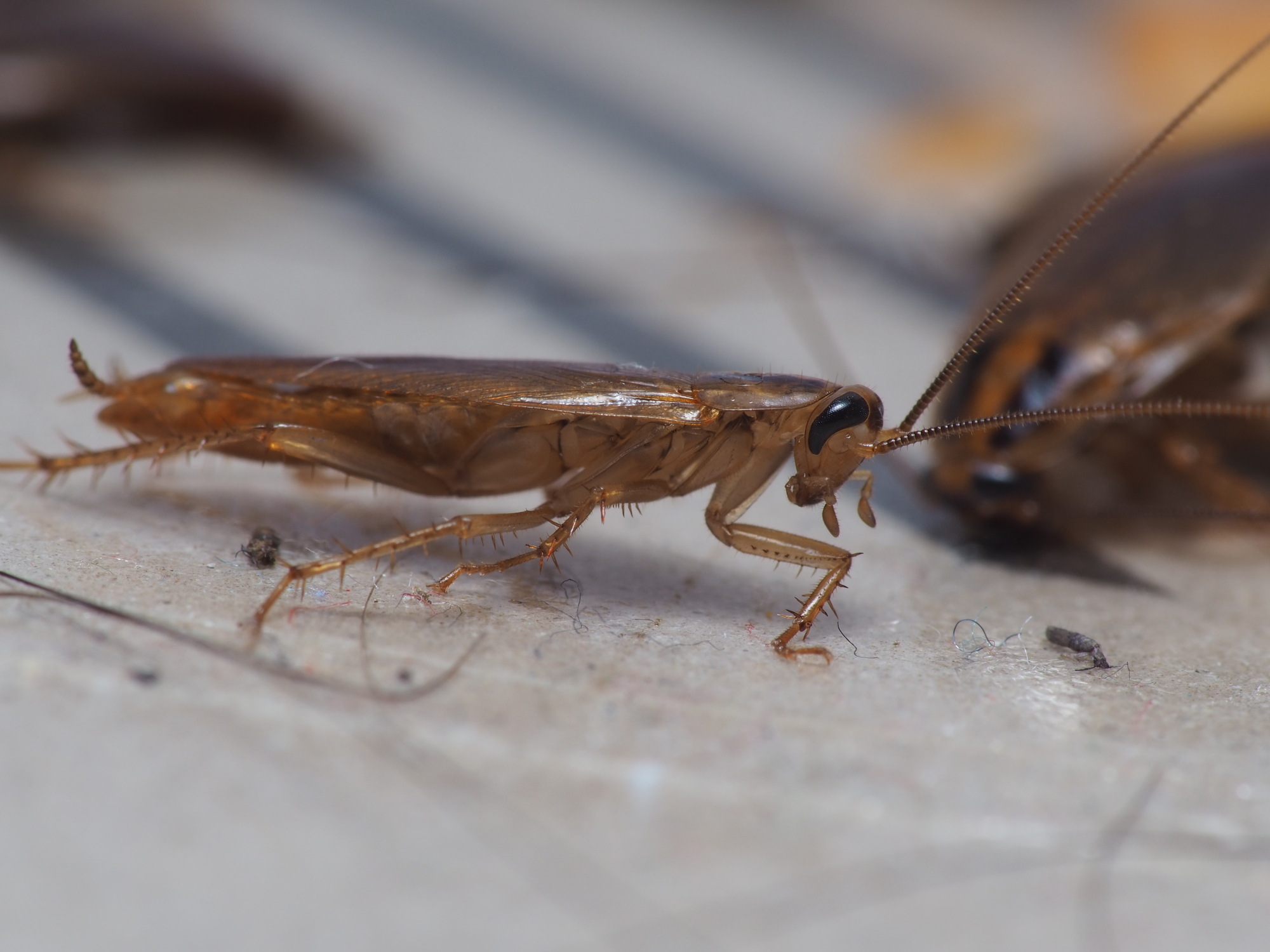
It usually starts quietly. One or two tiny roaches slipping across the kitchen floor at night, gone before you can even react. But with German roaches, what looks “small” is rarely small for long. Within weeks, a minor sighting can turn into a full blown infestation hiding behind your walls, appliances and cabinets.
A German roach infestation is one of the most persistent indoor pest problems because these insects do not just survive in homes, they adapt to them. Warmth, moisture and food traces are all they need to thrive.
For homeowners seeking reliable solutions like cockroach treatment services in Albuquerque, NM, understanding the root causes and early warning signs is the first step toward real control.
Key Takeaways
- German roaches multiply quickly and hide in tight indoor spaces
- Early signs include droppings, egg cases, and nighttime activity
- Moisture and food residue are the biggest attractants
- DIY efforts help, but infestations often require professional treatment
- Prevention is just as important as elimination
What Is a German Roach Infestation?
A German cockroach infestation happens when roaches establish breeding populations inside a structure, often in kitchens, bathrooms, and wall voids.
Simple definition:
A German roach infestation is an active colony of rapidly reproducing cockroaches living and breeding indoors, usually near food and moisture sources.
Unlike occasional pests, infestations mean roaches are no longer visitors, and they have moved in.
Why German Roaches Invade Homes: The Real Causes
German roaches don’t randomly appear. They follow conditions that support survival.
Common causes include:
- Food crumbs and grease buildup in kitchens
- Leaky pipes and constant moisture
- Unsealed food containers
- Cardboard boxes and cluttered storage areas
- Shared walls in apartment buildings
- Warm indoor environments, especially behind appliances
One of the most overlooked triggers is moisture and cockroach attraction. Even a small plumbing leak under a sink can become a long-term breeding zone.
Early Warning Signs You Should Never Ignore
A roach infestation in kitchen spaces usually reveals itself through subtle clues before full visibility.
Watch for:
- Small black droppings (like ground pepper)
- Musty, oily odor in cabinets or drawers
- Roach egg cases (oothecae) stuck in hidden corners
- Smear marks along walls or surfaces
- Nighttime sightings when lights are turned on
- Increased activity near sinks and appliances
If roaches are seen during the day, it often means the infestation is already advanced.
How German Roaches Spread Indoors
Short definition:
German roaches spread indoors by traveling through cracks, pipes, shared walls, and hidden gaps while reproducing rapidly.
Numbered Breakdown of Spread Pattern:
- Roaches enter through packaging, plumbing lines, or neighboring units
- They locate food and moisture sources
- Females begin producing egg cases every few weeks
- Nymphs hatch and mature quickly
- Colonies expand into wall voids and appliances
This cycle explains why rapid cockroach reproduction makes infestations difficult to stop once established.
The Hidden Problem: Where Roaches Actually Live
Most people only see a fraction of the infestation. The real colony stays hidden in:
- Wall void infestations behind tiles or drywall
- Inside stove motors and refrigerators
- Under sinks and dishwashers
- Behind baseboards and cabinets
- Inside cardboard storage boxes
These are classic cockroach hiding spots in homes, and they allow infestations to grow unnoticed for weeks or months.
German Roach Control Methods That Actually Work
Effective control requires more than sprays. It requires strategy.
Core control methods:
- Gel bait stations placed in hidden pathways
- Insect Growth Regulators (IGRs) to stop reproduction
- Deep sanitation to remove grease and food residue pests
- Sealing cracks and entry points
- Reducing moisture sources immediately
- Professional-grade treatment when infestations spread
This is why many homeowners turn to German roach control methods that combine multiple approaches instead of relying on a single solution.
Control Framework: The 3D Approach
A practical system used in pest control is the 3D Framework:
1. Deny
Remove access to food, water, and shelter
- Clean grease buildup
- Store food in sealed containers
2. Disrupt
Break breeding cycles
- Use bait and IGR products
- Reduce hiding spaces
3. Destroy
Eliminate active populations
- Target hidden nests
- Apply professional treatments when needed
This framework helps shift from reaction to prevention.
Comparison Table: What Works vs What Fails
Practice | When it helps | Simple cue | Common mistake |
Cleaning & sanitation | Early infestation | Few sightings | Ignoring hidden grease areas |
Gel bait stations | Moderate infestations | Roaches near kitchens | Placing bait in open areas |
Sprays only | Temporary relief | Visible roaches reduced | Not targeting nests |
Professional treatment | Severe infestations | Recurring activity | Waiting too long to act |
Common Misconceptions About German Roaches
Many infestations get worse because of incorrect assumptions:
- “If I don’t see them, they’re gone” → False, they hide during the day
- “Spraying kills the problem” → Only kills visible roaches
- “Clean homes don’t get roaches” → Even clean homes can have leaks or entry points
- “One treatment is enough” → Eggs and hidden colonies often survive
Understanding infestation warning signs is more important than reacting to what you see.
Real-World Scenario
A family notices a few roaches near their kitchen sink at night. They clean thoroughly and spray store-bought insecticide. For a week, nothing appears.
But behind the dishwasher, a hidden colony continues growing. Egg cases hatch, and within a month, roaches begin appearing in the bathroom too. The infestation spreads silently through wall voids.
This is a typical example of how cockroach infestation causes often remain hidden until the problem expands beyond one room.
A Word From the Field
As one pest technician often explains:
“With German roaches, what you see is never the full picture. The real problem is always behind the walls.”
That’s why long-term control focuses on the entire structure and not just visible insects.
Prevention Tips That Make a Big Difference
- Fix leaks immediately
- Keep sinks dry overnight
- Vacuum kitchen edges regularly
- Avoid leaving pet food out
- Declutter storage areas
- Seal wall cracks and pipe gaps
These sanitation and pest prevention habits reduce the chances of reinfestation significantly.
When Professional Help Becomes Necessary
If roaches continue appearing after DIY efforts, the infestation has likely spread into hidden zones.
Professional pest control becomes essential when:
- Roaches are seen during the day
- Multiple rooms are affected
- DIY baiting stops working
- Egg cases keep appearing
This is where services like The Pest of Times LLC focus on targeted, structured elimination rather than surface-level treatment.
FAQs
What causes a German roach infestation in homes?
Food residue, moisture, clutter, and hidden entry points are the main causes of infestations indoors.
How do I know if I have a serious roach problem?
Frequent sightings, droppings, egg cases, and nighttime activity usually indicate a growing infestation.
Are German roaches dangerous?
They can spread bacteria and trigger allergies, especially in sensitive individuals.
How long does professional treatment take?
Most treatments require follow-up visits because roaches hatch in cycles and hide deeply.
Why choose The Pest of Times LLC for roach control?
The Pest of Times LLC uses structured inspection, targeted treatment, and prevention-focused methods to eliminate infestations and reduce recurrence.
Summary
A German roach infestation develops quickly but often hides for weeks before becoming visible. It thrives in moisture rich and food accessible environments and spreads through hidden structural spaces. Effective control requires more than surface cleaning. It demands a structured approach that targets both visible pests and hidden colonies. With consistent prevention and timely professional intervention, long term control is achievable and sustainable.