Few situations feel more overwhelming than discovering a pest problem that spirals out of control overnight. A sudden swarm, aggressive rodents, or a rapidly spreading infestation can disrupt daily life, threaten health, and cause immediate property damage. In these moments, waiting days or weeks for routine service is not an option. This is where emergency pest control becomes critical. Designed for speed, precision, and safety, pest control management focuses on stopping outbreaks before they escalate further.
In this guide, you’ll learn how pest control works, when it’s needed, which pests require urgent action, and how professional response prevents small problems from turning into major crises.
What is Emergency Pest Control Management?
It is a specialized service designed to handle sudden, severe, or fast-spreading infestations that require immediate professional attention. Unlike scheduled pest treatments, emergency services prioritize rapid assessment and action to stabilize the situation as quickly as possible.
The goal is not just to remove visible pests, but to interrupt the infestation cycle. Professionals identify the source, assess the scope of the outbreak, and apply targeted solutions that stop pests from spreading further. This type of response is especially important when pests pose immediate health risks, structural threats, or significant disruption to a home or business.
Situations That Require Immediate Pest Action
Certain pest scenarios escalate too quickly to delay treatment. Sudden infestations often occur due to weather changes, structural vulnerabilities, or nearby pest activity migrating indoors.
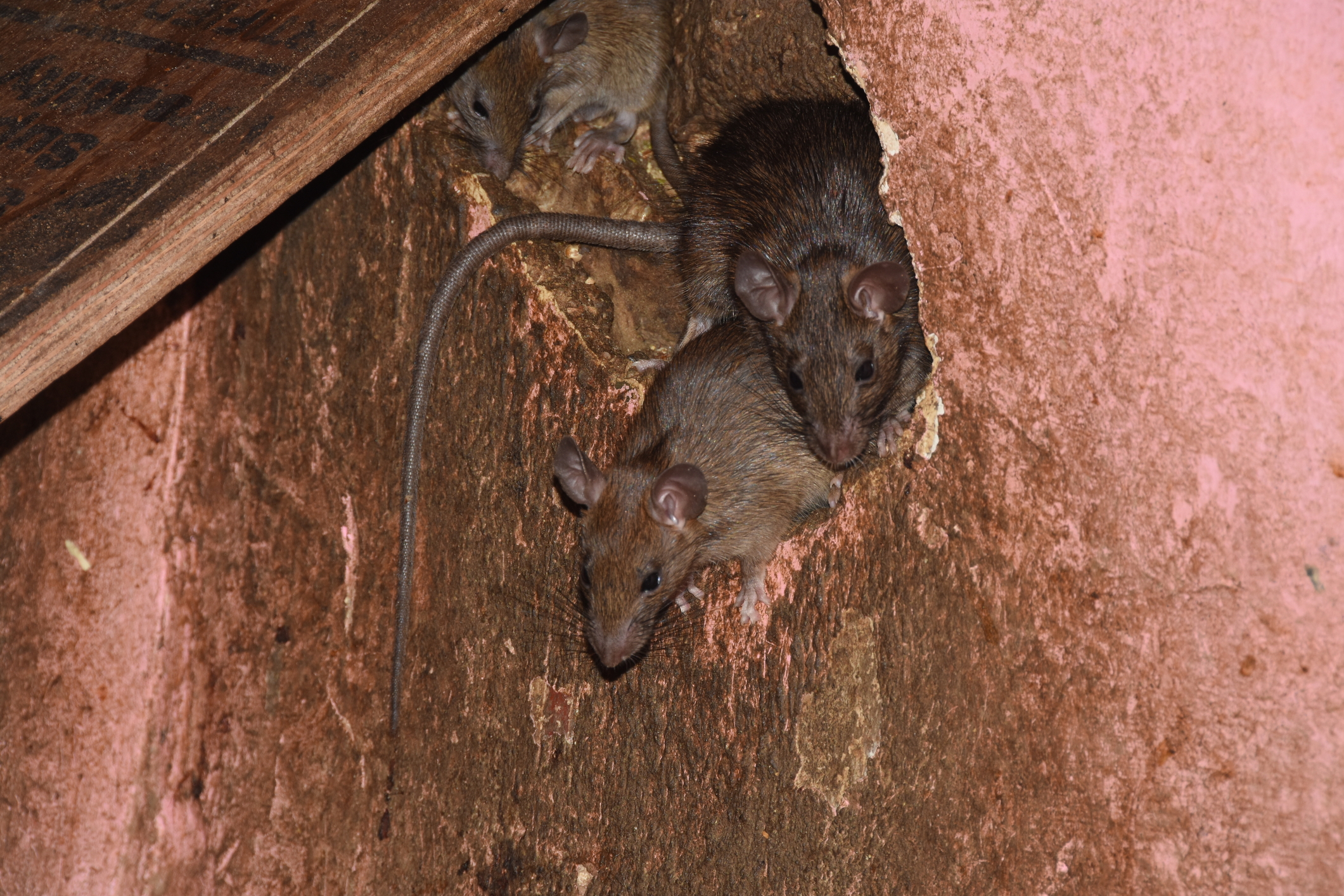
Examples include large cockroach sightings, aggressive ant invasions, rodents actively nesting inside walls, or wasp and bee colonies forming near living areas. In these cases, emergency pest control is essential to prevent contamination, property damage, and ongoing exposure. Acting fast can mean the difference between a contained incident and a prolonged infestation.
How Pest Control Stops Outbreaks Fast
Speed and strategy are what define an effective pest control. Professionals begin with a rapid inspection to understand how pests entered and where they are concentrated. This allows technicians to deploy a focused plan rather than a one-size-fits-all approach.
Using advanced tools and professional-grade products, teams implement rapid pest treatment methods that neutralize active infestations immediately. At the same time, they address contributing factors such as entry points, moisture sources, or food access. This dual approach ensures the outbreak is stopped at its source, not just on the surface.
Urgent Pest Response and Containment
An effective urgent response prioritizes containment. This means stopping pests from spreading to other areas of the property. Barriers, targeted applications, and exclusion techniques are used to isolate affected zones and regain control quickly.
Why Speed Matters During Sudden Infestations
Delays during a pest outbreak allow populations to multiply rapidly. Many pests reproduce quickly, turning a minor issue into a major problem within days. Emergency pest control minimizes this risk by intervening at the most critical moment.
Fast response also reduces exposure to allergens, bacteria, and structural damage. By stopping infestations early, homeowners avoid the long-term consequences that often follow untreated pest activity.
Common Pests That Require Emergency Treatment
Not all pests require immediate service, but certain species are known for rapid escalation. Cockroaches, rodents, ants, spiders, and stinging insects frequently require emergency pest control due to health risks and aggressive behavior.
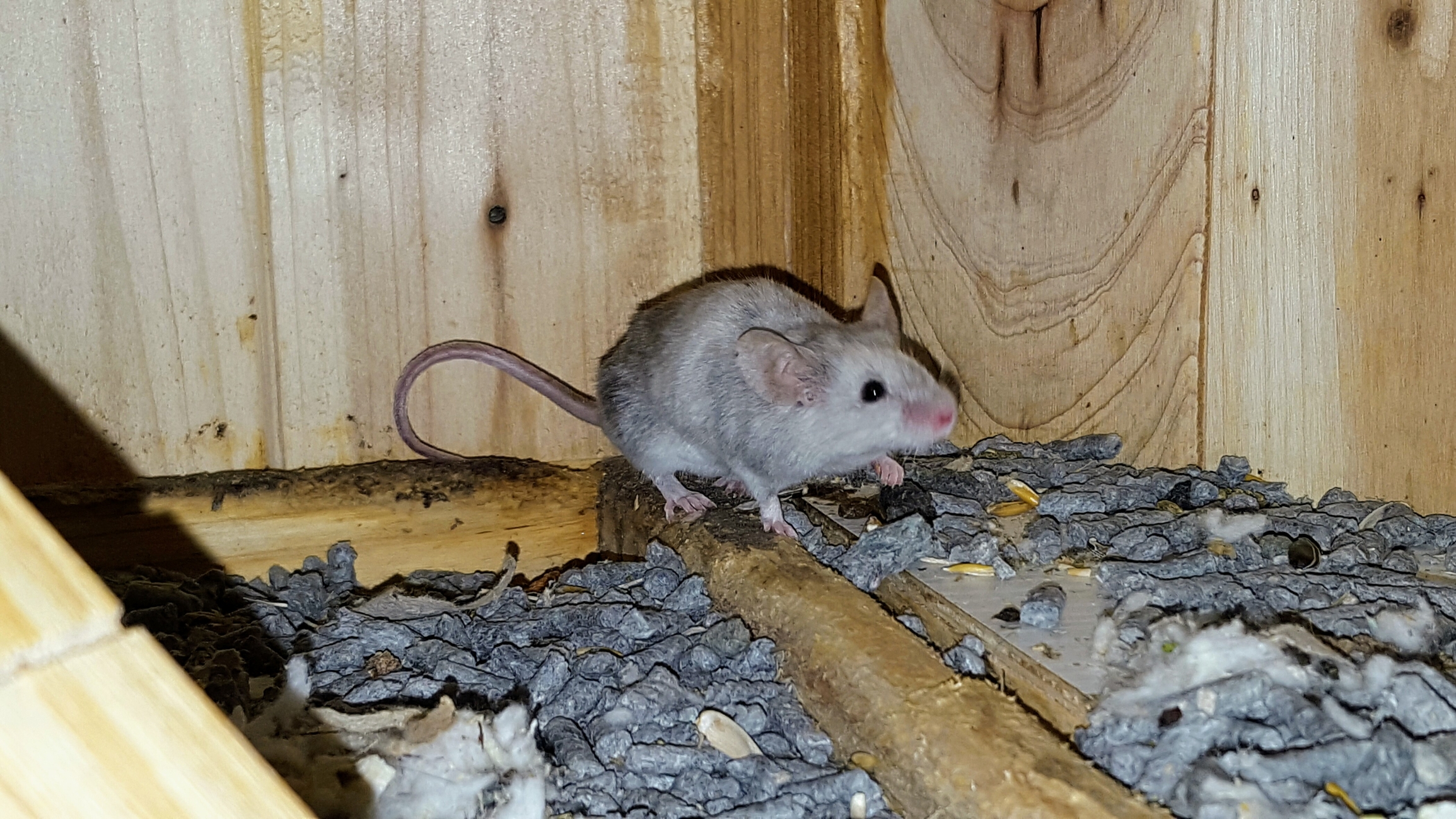
Rodents can damage wiring and insulation quickly, while cockroaches contaminate surfaces and spread bacteria. Stinging insects pose immediate safety concerns, especially for children and pets. Addressing these pests promptly helps restore safety and comfort.
Immediate Infestation Control and Safety
A major concern during emergency services is safety. Professional infestation control is designed to be effective without putting occupants at risk. Technicians select treatments appropriate for the severity of the outbreak while minimizing unnecessary exposure.
Modern emergency pest solutions focus on precision rather than the overuse of chemicals. This approach ensures pests are eliminated quickly while maintaining a safe environment for families, pets, and sensitive individuals.
The Role of Professional Expertise
Handling an outbreak without professional help often leads to incomplete results. Over-the-counter products may kill visible pests but rarely address nests, breeding sites, or hidden populations. Pest control professionals are trained to identify these overlooked areas.
For homeowners dealing with severe outbreaks, expert intervention provides clarity and control. If pests reappear despite repeated attempts, professional emergency services offer a reliable path to resolution, including emergency pest control in Albuquerque, NM, when local conditions demand fast action.
Cost Benefits of Acting Quickly
While emergency services may seem costly upfront, they often save money long-term. Delayed treatment can lead to structural repairs, repeated infestations, and health-related expenses. Pest control reduces these risks by resolving problems before they escalate.
By stopping damage early, homeowners avoid costly repairs to wiring, insulation, and interior finishes. Quick action also reduces the need for repeated follow-up treatments.
Emergency Pest Control vs Routine Pest Services
Factor | Routine Pest Control | Emergency Management of Pest Control |
Response Time | Scheduled days or weeks out | Same-day or rapid response |
Infestation Severity | Mild or preventative | Sudden, severe outbreaks |
Treatment Focus | Maintenance and prevention | Immediate elimination and containment |
Risk Level | Low to moderate | High and escalating |
Overall Impact | Long-term upkeep | Crisis control and stabilization |
What Homeowners Should Do After Emergency Service
After emergency treatment, homeowners play a role in maintaining results. Following professional guidance, sealing minor gaps, and maintaining cleanliness help prevent recurrence. Monitoring activity in treated areas is also important.
If ongoing protection is needed, scheduling follow-up services ensures the infestation does not return. Many homeowners choose continued support through emergency pest control services in Albuquerque, NM, when seasonal or environmental risks are high.
Key Takeaways
- Emergency pest control stops sudden outbreaks quickly.
- Fast response prevents infestation and damage.
- Professional treatment targets hidden sources.
- Safety remains a top priority during emergency services.
- Acting early saves time, money, and stress.
The Bottom Line!
Sudden pest outbreaks require fast, strategic action to protect homes, health, and peace of mind. Emergency pest control management focuses on rapid assessment, targeted treatment, and containment to stop infestations before they escalate. Specialists like The Pest of Times, LLC, help homeowners regain control quickly through expert emergency solutions designed for safety and effectiveness.
If you’re facing an urgent pest situation, you can reach out to the team by emailing thepestoftimesllc@gmail.com or calling 505-259-3878 for immediate assistance and dependable results.
FAQs
What situations require emergency pest control services?
Emergency services are needed when infestations spread rapidly, pose health risks, or cause immediate damage, such as rodents, cockroaches, or stinging insects.
How quickly can emergency pest control respond?
Response times vary, but emergency services are designed for same-day or rapid intervention depending on severity and availability.
Is emergency pest control safe for children and pets?
Yes, professionals use targeted treatments that prioritize safety while effectively eliminating pests.
What pests most commonly require emergency treatment?
Rodents, cockroaches, ants, spiders, and stinging insects are the most common pests requiring urgent care.
What steps should homeowners take after emergency service?
Homeowners should follow post-treatment guidance, monitor activity, and address any recommended repairs or exclusions to prevent recurrence.