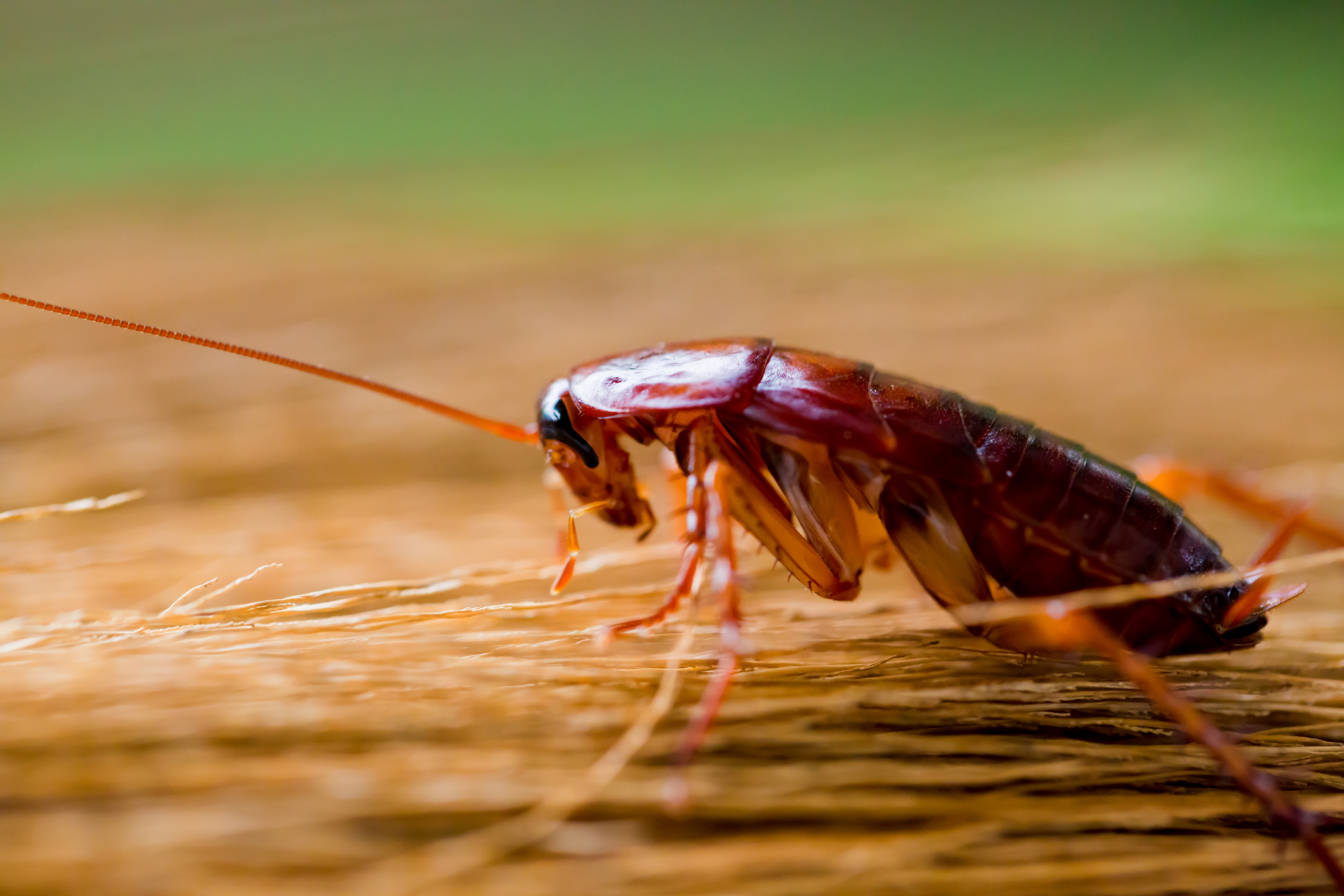
You turn on the kitchen light late at night and see something small dart across the floor. For many homeowners, that quick movement is the first sign of a cockroach problem.
Cockroaches are one of the most stubborn household pests. They hide in dark spaces, reproduce quickly, and can survive in places most pests cannot. The good news is that safe and effective solutions exist when you focus on the root of the problem rather than temporary fixes.
This guide explains practical ways to remove cockroaches and prevent them from returning.
Key Takeaways
- Cockroaches thrive in warm, hidden spaces with easy access to food and water
- Effective control combines cleaning, sealing entry points, and targeted treatments
- Small changes in daily habits can significantly reduce infestations
- Professional help may be necessary for large or persistent infestations
Why Cockroaches Are a Serious Household Problem
Cockroaches are not just unpleasant to see. They can also create health risks inside the home.
These pests often travel through garbage areas, drains, and other unsanitary environments before entering kitchens and food storage areas.
According to the Centers for Disease Control and Prevention, cockroach allergens are known triggers for asthma and allergic reactions, especially in children.
Because of these risks, eliminating cockroaches quickly and safely is important for maintaining a healthy living environment.
Safe and Effective Methods to Get Rid of Cockroaches
Successful cockroach control requires a combination of methods rather than a single quick fix.
1. Deep Cleaning and Sanitation
Cockroaches depend on accessible food and water. Removing these resources reduces their ability to survive.
Focus on these areas
- Clean kitchen counters and floors daily
- Store food in airtight containers
- Empty trash regularly
- Avoid leaving pet food out overnight
2. Seal Entry Points
Small cracks around pipes, walls, and cabinets can allow cockroaches to enter.
Seal openings using caulk or other durable materials to block these hidden pathways.
3. Use Safe Baits and Traps
Cockroach baits attract pests to a small amount of insecticide placed inside a secure station. The roach carries the bait back to its hiding place, helping reduce the colony.
Sticky traps can also help monitor activity and identify problem areas.
Practical Prevention Tips for Homeowners
Preventing cockroaches is often easier than eliminating a large infestation.
Prevention Action | When It Helps | Simple Cue | Common Mistake |
Clean kitchen surfaces | After cooking | Wipe counters nightly | Leaving crumbs overnight |
Fix leaks | Under sinks or pipes | Check for moisture | Ignoring slow leaks |
Store food securely | Pantry or cabinets | Use airtight containers | Open packages |
Remove clutter | Storage areas | Keep floors clear | Stacking cardboard boxes |
These simple steps reduce the environment cockroaches depend on.
Common Mistakes People Make
Some common approaches actually make cockroach problems worse.
Relying only on sprays
Sprays may kill visible roaches but often miss hidden nests.
Ignoring moisture problems
Cockroaches are strongly attracted to water sources.
Delaying treatment
Because cockroaches reproduce quickly, small infestations can grow rapidly.
Addressing these issues early is key to preventing a larger problem.
Real-World Example
Imagine a homeowner noticing occasional cockroaches in the kitchen at night. At first, they use a store-bought spray, but the problem continues.
After inspecting the kitchen more closely, they discover small crumbs behind the stove, a slow leak under the sink, and a gap near the plumbing pipe.
Once these issues are cleaned and sealed, and bait stations are placed strategically, the infestation gradually disappears.
The solution was not just killing the roaches. It was removing the conditions that allowed them to thrive.
Final Thoughts
Cockroaches are persistent pests that thrive in warm areas with easy access to food and water. The most effective control methods combine sanitation, sealing entry points, and targeted treatments like bait stations. By removing the conditions that attract cockroaches, homeowners can prevent infestations from growing. When problems persist, professional pest control services can provide long-term solutions.
FAQs
What makes a good cockroach control plan
A good plan combines sanitation, sealing entry points, and targeted treatments rather than relying on sprays alone.
What are the best practices for preventing cockroaches
Keep kitchens clean, store food in airtight containers, fix leaks, and remove clutter.
How do cockroaches enter homes
They typically enter through cracks, drains, plumbing openings, and small gaps around doors or windows.
When should homeowners hire a professional
If cockroach activity continues despite cleaning and using basic treatments.
What are the common signs of a cockroach infestation
Droppings, egg cases, musty odors, and seeing roaches at night are common warning signs.
Are cockroach infestations dangerous
They can trigger allergies and asthma and contaminate food surfaces.
What areas of a home attract cockroaches the most
Kitchens, bathrooms, basements, and storage areas with moisture or food sources.
Can cockroaches return after treatment
Yes, if sanitation and prevention steps are not maintained.