You notice them just before bedtime. Tiny ants moving in a thin trail along the kitchen counter, disappearing behind the coffee maker as if they’ve memorized the layout of your home. At first, it feels harmless. A quick wipe of the counter, maybe a spray from under the sink, and the problem should disappear by morning.
But a few days later, they’re back.
That’s often how homeowners first encounter the frustrating reality of Ghost Ants vs Sugar Ants. Both are small, persistent, and strongly drawn to food sources indoors, yet the risks they create inside a home can be surprisingly different. Knowing which ant you’re dealing with can help you respond faster before a small nuisance becomes a difficult infestation.
Key Takeaways
- Ghost ants spread quickly through hidden nesting sites inside homes
- Sugar ants are highly attracted to sweet spills and pantry foods
- Early indoor ant infestation signs are easier to control than large colonies
- Proper ant control and prevention tips can reduce recurring infestations
Why Homeowners Often Confuse These Ants
Most people don’t stop to identify ants until the infestation becomes constant. That confusion is understandable because many common household ant species look similar when viewed from a distance.
What are ghost ants?
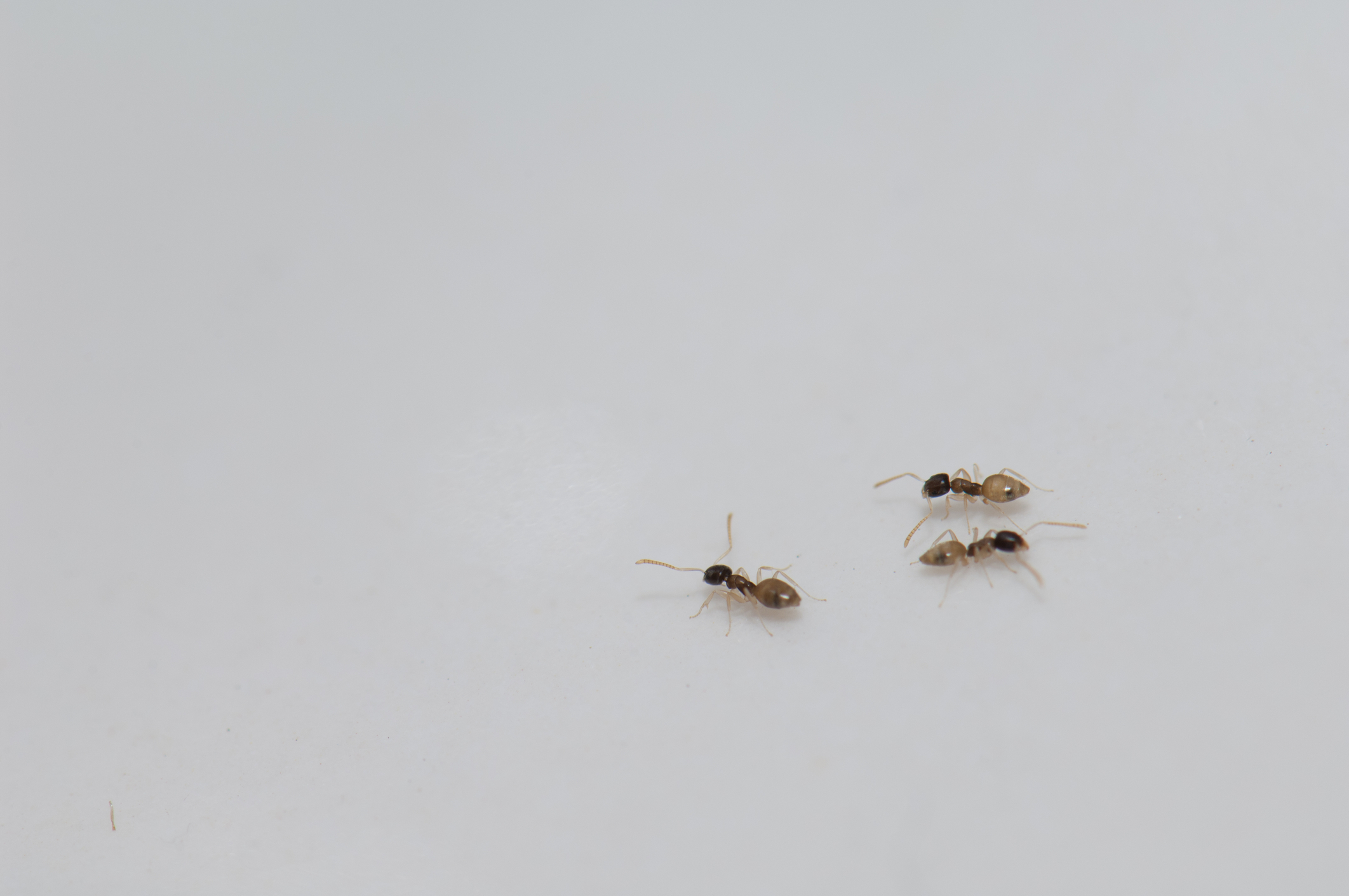
Ghost ants are extremely small ants with dark heads and pale, almost translucent bodies. Their light-colored legs and abdomen make them difficult to see on countertops or tile floors.
What are sugar ants?
Sugar ants is a broad term often used for ants attracted to sugary foods. Depending on the region, the phrase may refer to odorous house ants or other sweet-seeking species commonly found indoors.
The biggest issue is that both species invade kitchens, bathrooms, and food storage areas. Without proper ghost ants identification, homeowners often treat the wrong problem and unintentionally allow colonies to grow.
The Hidden Damage Ants Create Indoors
Ant infestations rarely destroy a home the way termites can, but that does not mean they are harmless.
The real damage usually happens slowly through contamination, recurring invasions, and hidden colony expansion.
Ghost ants frequently build nests inside wall voids, behind cabinets, near plumbing lines, and under appliances. Once colonies split into multiple nesting locations, elimination becomes much harder. A simple spray treatment may only scatter the colony instead of solving the infestation.
Sugar ants in kitchen spaces create a different type of frustration. They contaminate countertops, pantry shelves, pet food bowls, and stored snacks. Homeowners often clean visible trails while missing the outdoor nest responsible for repeated indoor activity.
According to the CDC, ants and other pests can contaminate food and surfaces inside homes and food preparation areas.
CDC food safety guidance
Ghost Ants vs Sugar Ants Differences That Matter
Understanding the behavioral differences between these ants can make treatment far more effective.
Feature | Ghost Ants | Sugar Ants |
Size | Extremely tiny | Slightly larger |
Appearance | Pale abdomen and legs | Darker body color |
Nesting habits | Multiple indoor nests | Often outdoor colonies |
Main attraction | Moisture and sweets | Sugary and greasy foods |
Infestation pattern | Rapid colony spreading | Repeated food-driven invasions |
One common misconception is that all tiny ants in house environments behave the same way. In reality, colony structure and nesting behavior greatly affect how difficult the infestation becomes.
The Real Infestation Risks Homeowners Ignore
A few ants near the sink may not seem urgent, but ant colonies expand quickly when food and moisture remain available.
Ghost ant risks
Ghost ants are especially difficult because they create satellite colonies. Disturbing one nest can cause the colony to split into several smaller nests hidden throughout the property.
That means a homeowner may think the infestation is improving when it is actually spreading deeper into walls and inaccessible areas.
Sugar ant risks
Sugar ants are persistent scavengers. Even small crumbs, juice residue, or open pantry containers can repeatedly attract them indoors. Outdoor nests near foundations increase the chances of continuous re-entry.
Both infestations also point toward other household vulnerabilities, including:
- Moisture around sinks and pipes
- Gaps near windows and doors
- Cracks in foundations or siding
- Poor food storage habits
- Hidden leaks behind appliances
A Simple Framework for Preventing Ant Infestations
Many homeowners focus only on killing visible ants. Long-term prevention requires a more complete strategy.
The “Block, Remove, Protect” Framework
1. Block Entry Points
Seal cracks around windows, plumbing openings, and doors. Even tiny openings allow ants to travel indoors.
2. Remove Food Sources
Clean spills quickly and store dry goods in sealed containers. Ants attracted to sugary foods will continue returning if easy food sources remain accessible.
3. Protect Moisture Areas
Fix leaks under sinks, near dishwashers, and around HVAC systems where humidity attracts colonies.
This approach works far better than relying on surface sprays alone.
Why DIY Treatments Often Fail
Many homeowners try store-bought sprays before considering professional help. The problem is that sprays usually target worker ants you can see while leaving the colony untouched.
Ghost ants are especially resistant to incomplete treatments because their colonies divide easily when threatened.
That’s why people often search for how to get rid of ghost ants after multiple failed attempts with DIY methods.
Albert Einstein once said:
“We cannot solve our problems with the same thinking we used when we created them.”
That idea applies surprisingly well to pest infestations. Repeating short-term treatments without addressing nesting behavior, moisture, and access points usually leads to recurring problems.
A Realistic Homeowner Scenario
Imagine a family preparing dinner after work. Over several weeks, they notice small ants near the dishwasher and pantry shelves. They clean the counters nightly and use ant spray every few days, but the ants keep returning.
Eventually, they discover colonies hidden behind the kitchen backsplash and inside a wall near a leaking pipe.
What looked like a simple nuisance had quietly expanded into a widespread indoor infestation.
Situations like this are common because indoor ant infestation signs are easy to dismiss early on. By the time visible trails appear regularly, colonies may already be established in multiple areas.
When Professional Help Becomes Necessary
There’s a major difference between seeing occasional ants and facing a recurring infestation that keeps returning despite treatment.
Professional inspections become especially important when:
- Ant trails appear daily
- Multiple rooms show activity
- Colonies return after treatment
- Moisture problems exist inside walls
- You cannot locate the nesting source
Experienced technicians understand Ghost Ants vs Sugar Ants behavior patterns and can identify hidden colony locations homeowners often miss.
For homeowners searching for reliable Pest control services in Albuquerque, NM, proper identification and targeted treatment plans are critical for long-term control rather than temporary relief.
Common Mistakes That Make Infestations Worse
Some of the most common homeowner mistakes include:
Practice | When it helps | Simple cue | Mistake |
Surface cleaning | Reduces food trails | Wipe sugary spills quickly | Ignoring hidden moisture |
Ant sprays | Temporary visible control | Spot treatment only | Spraying entire colonies |
Sealing cracks | Prevents entry | Focus near plumbing | Leaving gaps untreated |
Food storage | Reduces attraction | Use airtight containers | Leaving pet food exposed |
Small prevention steps often make the biggest long-term difference.
Building Long-Term Protection
Ant infestations are rarely about one isolated problem. They usually happen because food, water, and shelter are consistently available.
Long-term protection involves creating an environment that is less attractive to invading colonies.
That means:
- Keeping kitchens dry and clean
- Repairing leaks promptly
- Monitoring outdoor landscaping near foundations
- Inspecting entry points seasonally
- Addressing infestations early before colonies expand
The earlier you act, the easier infestations are to control.
Conclusion
Ghost Ants vs Sugar Ants may sound like a simple comparison between two small pests, but the infestation risks behind each species are very different. Ghost ants spread aggressively through hidden indoor colonies, while sugar ants repeatedly invade homes searching for food sources.
Understanding the warning signs early can help homeowners avoid recurring infestations, food contamination, and frustrating colony growth inside walls and kitchens. Prevention, proper identification, and consistent treatment strategies remain the most effective way to keep ant problems from becoming long-term household stress.
At The Pest of Times LLC, informed homeowners make stronger decisions because they understand not just where ants appear, but why they continue returning.
Summary
Ghost ants and sugar ants are both persistent household pests that create contamination risks and recurring indoor infestations. While ghost ants spread through hidden satellite colonies, sugar ants repeatedly invade kitchens and pantry areas searching for food. Early identification, moisture control, sealed food storage, and proper exclusion methods are essential for long-term prevention. Understanding the differences between these ants helps homeowners respond more effectively before infestations become widespread.
FAQs
How can I tell if I have ghost ants or sugar ants?
Ghost ants are much smaller and have pale, translucent-looking abdomens and legs. Sugar ants are typically darker and easier to spot near food sources.
Why do ants keep returning after treatment?
Recurring infestations usually mean the main colony was never eliminated or entry points and food sources remain accessible.
Are ghost ants dangerous inside homes?
They are not known for causing structural damage, but they can contaminate food preparation areas and spread rapidly through hidden nesting sites.
Does The Pest of Times LLC handle recurring indoor ant infestations?
Yes, The Pest of Times LLC provides inspections and targeted treatment approaches designed to identify colony sources and reduce repeat infestations.
When should I hire professional pest control for ants?
Professional treatment is recommended when ant activity spreads across multiple rooms, repeatedly returns after DIY treatment, or involves hidden nesting locations inside walls or cabinets.