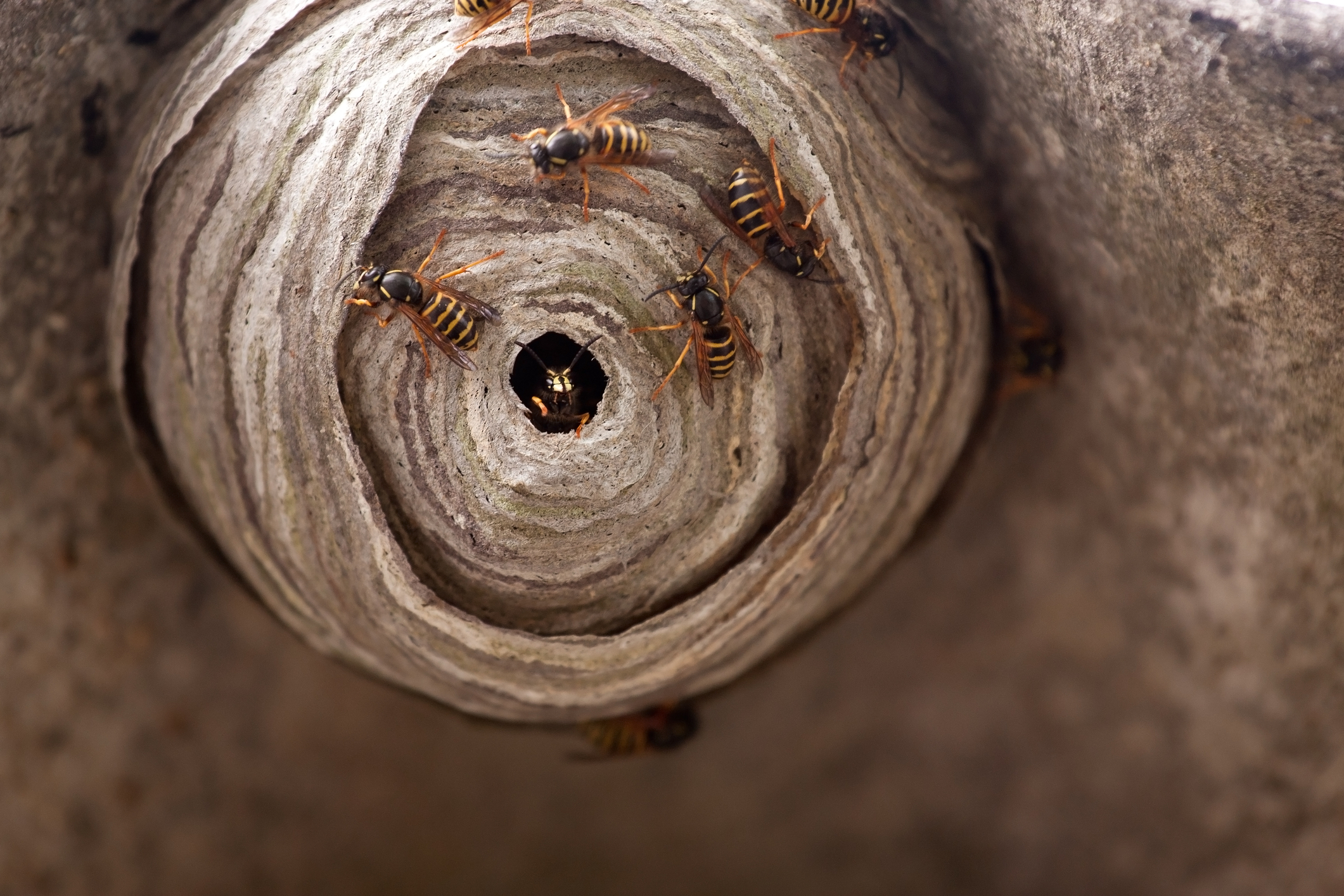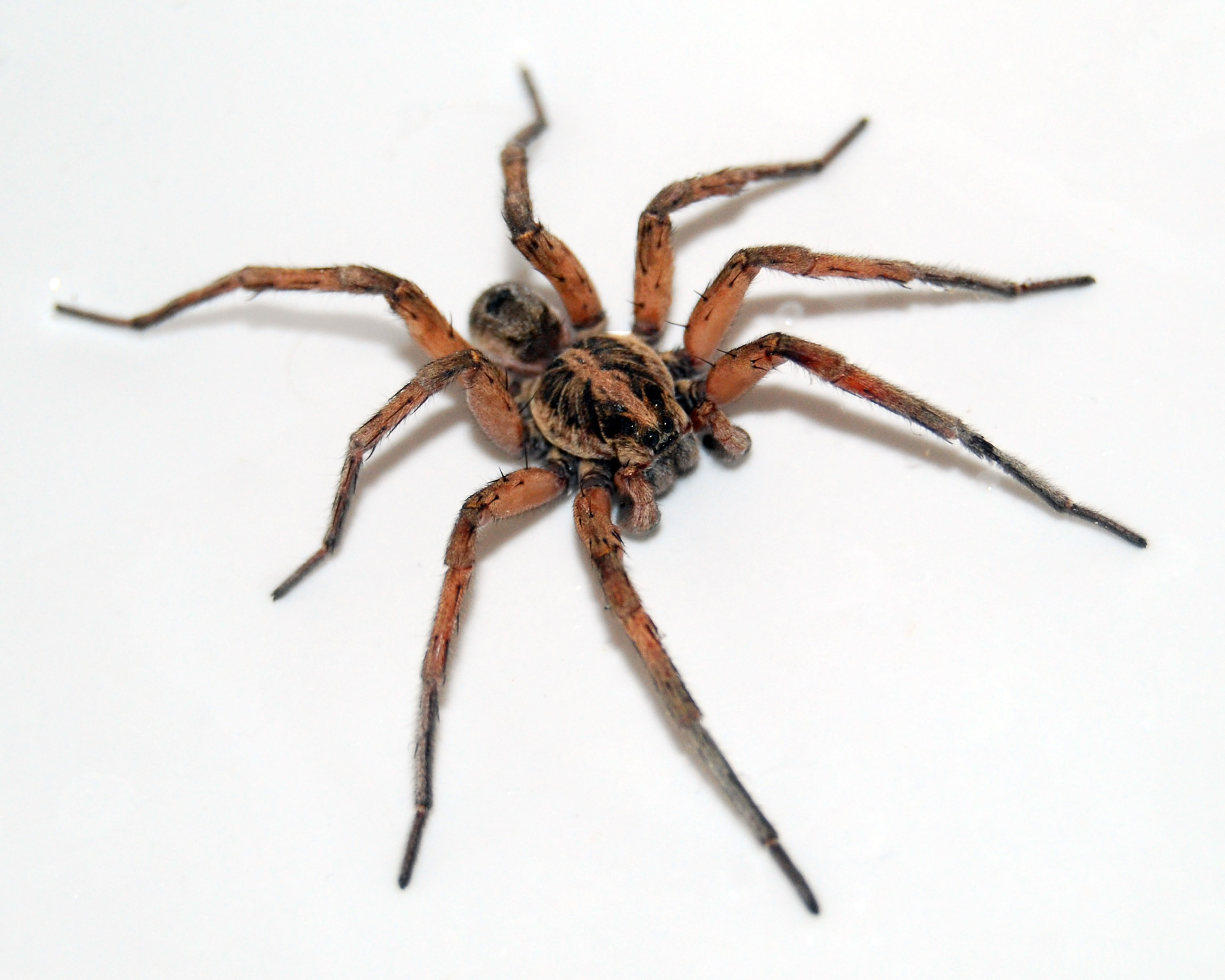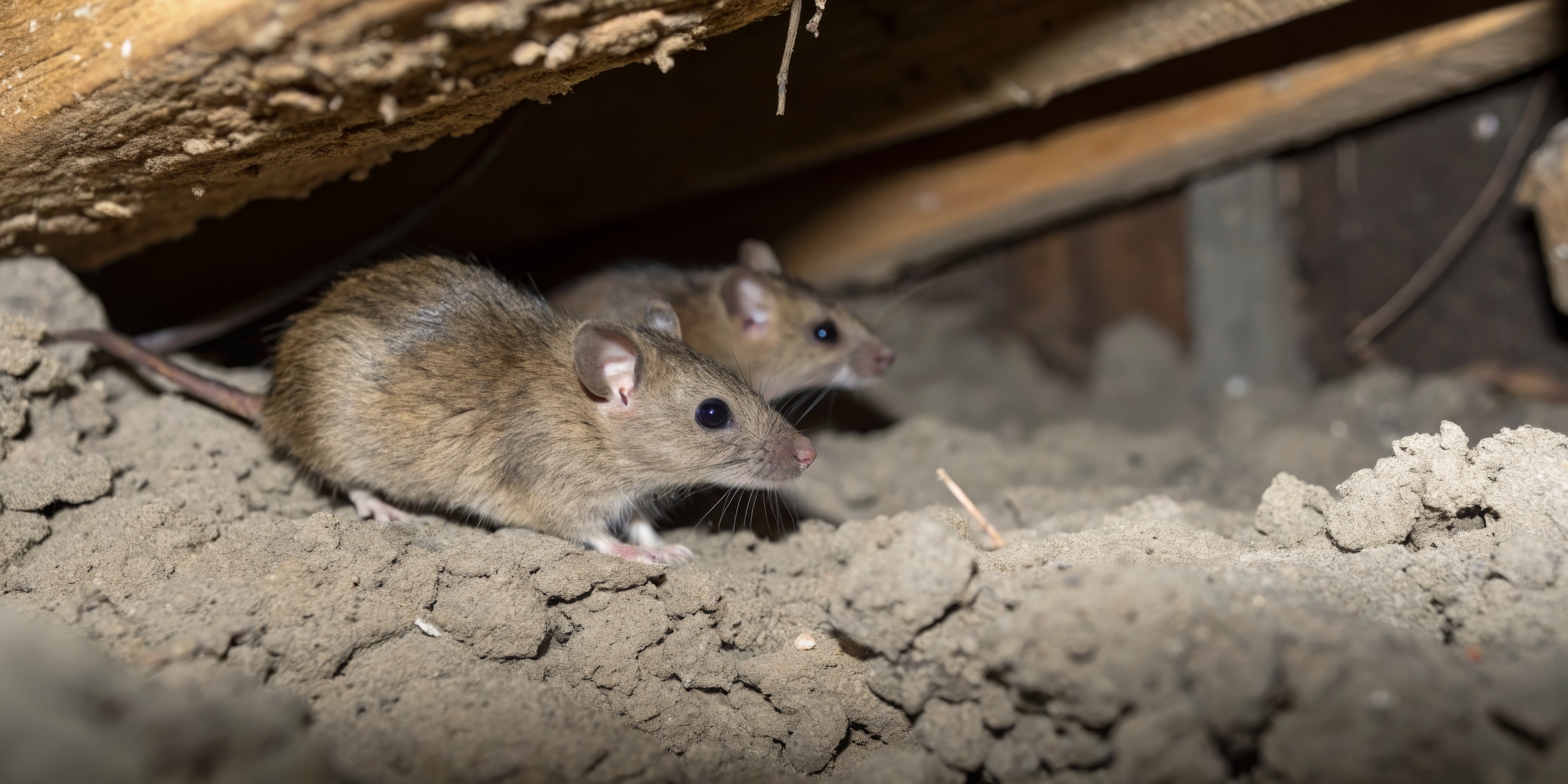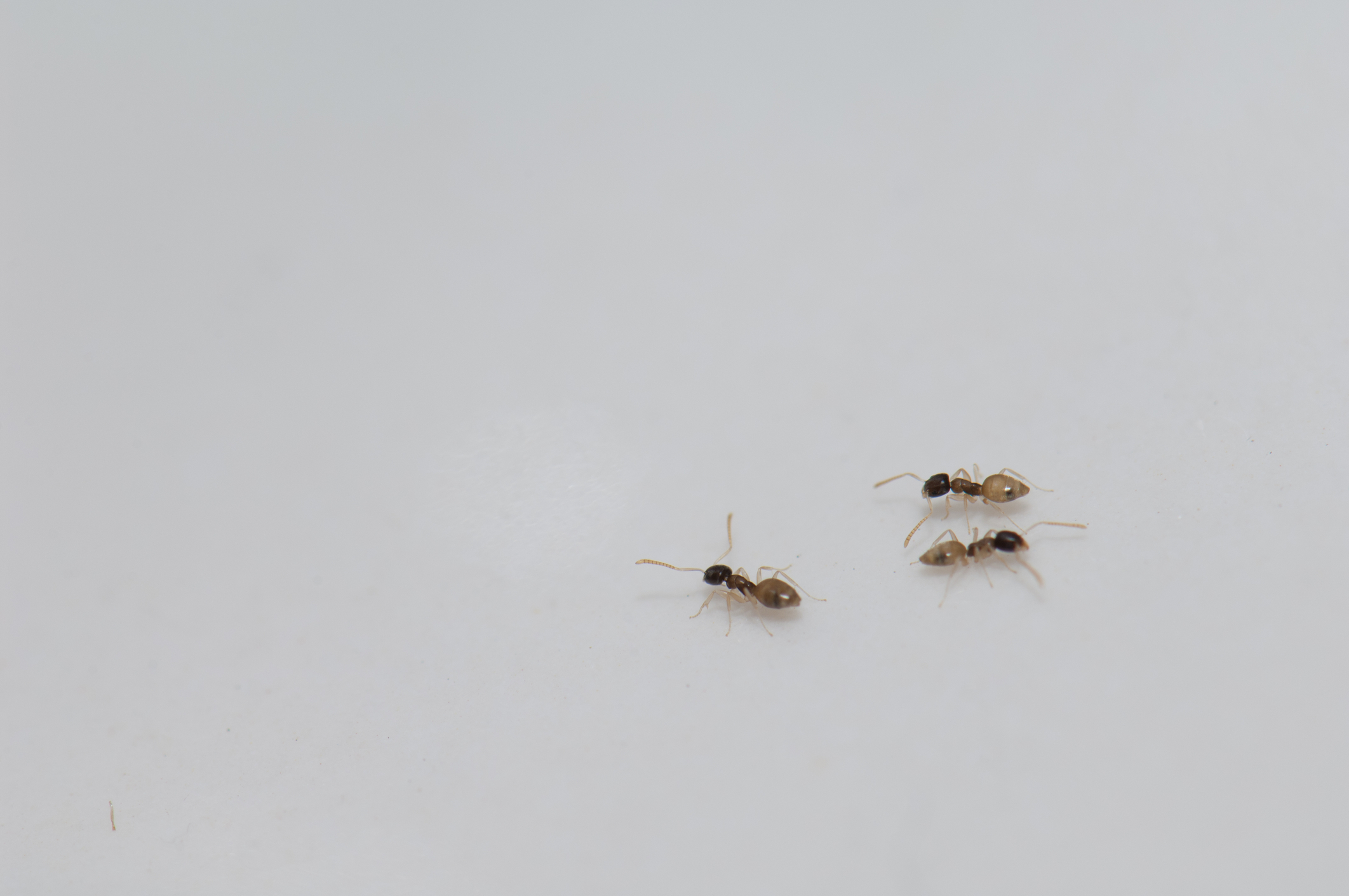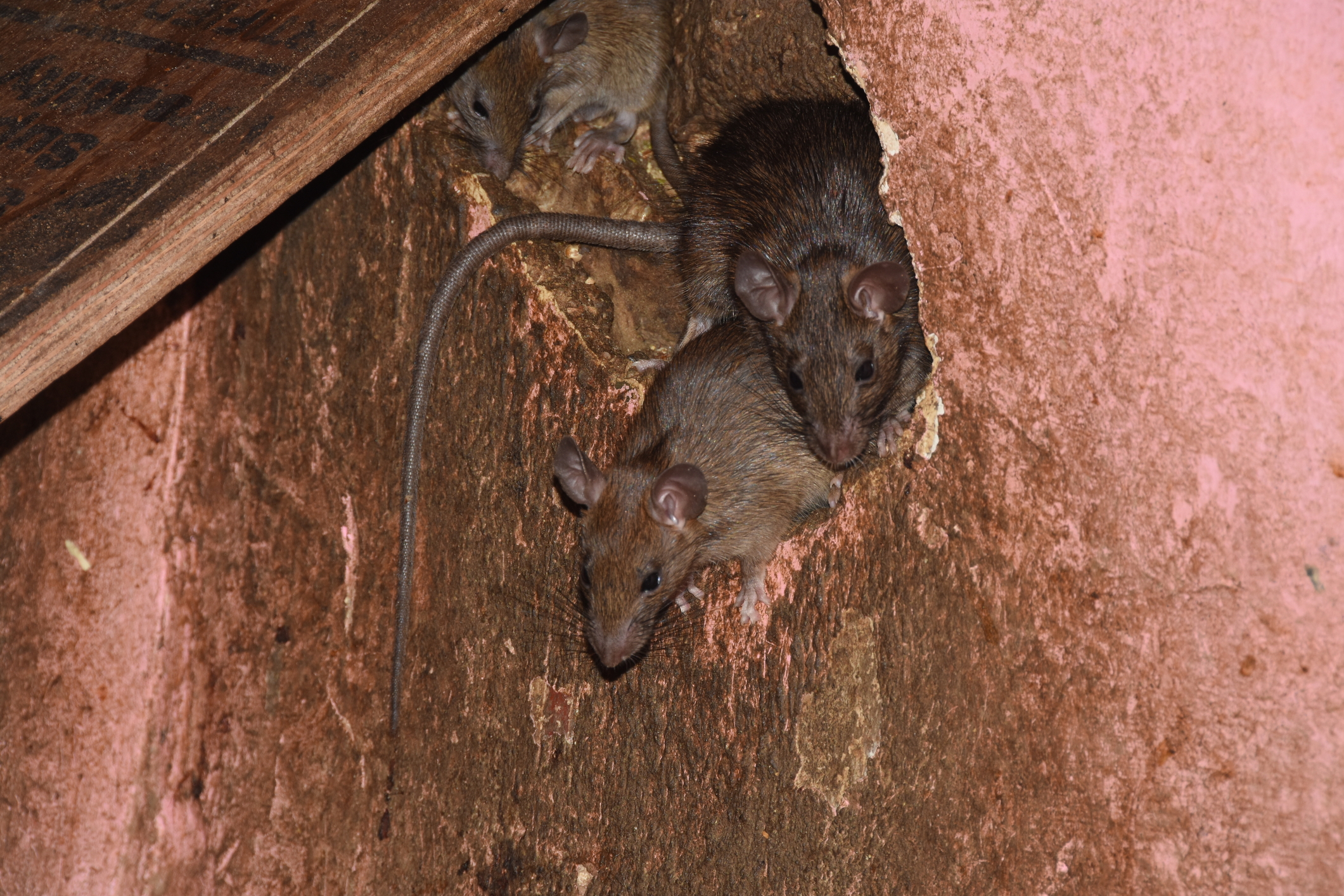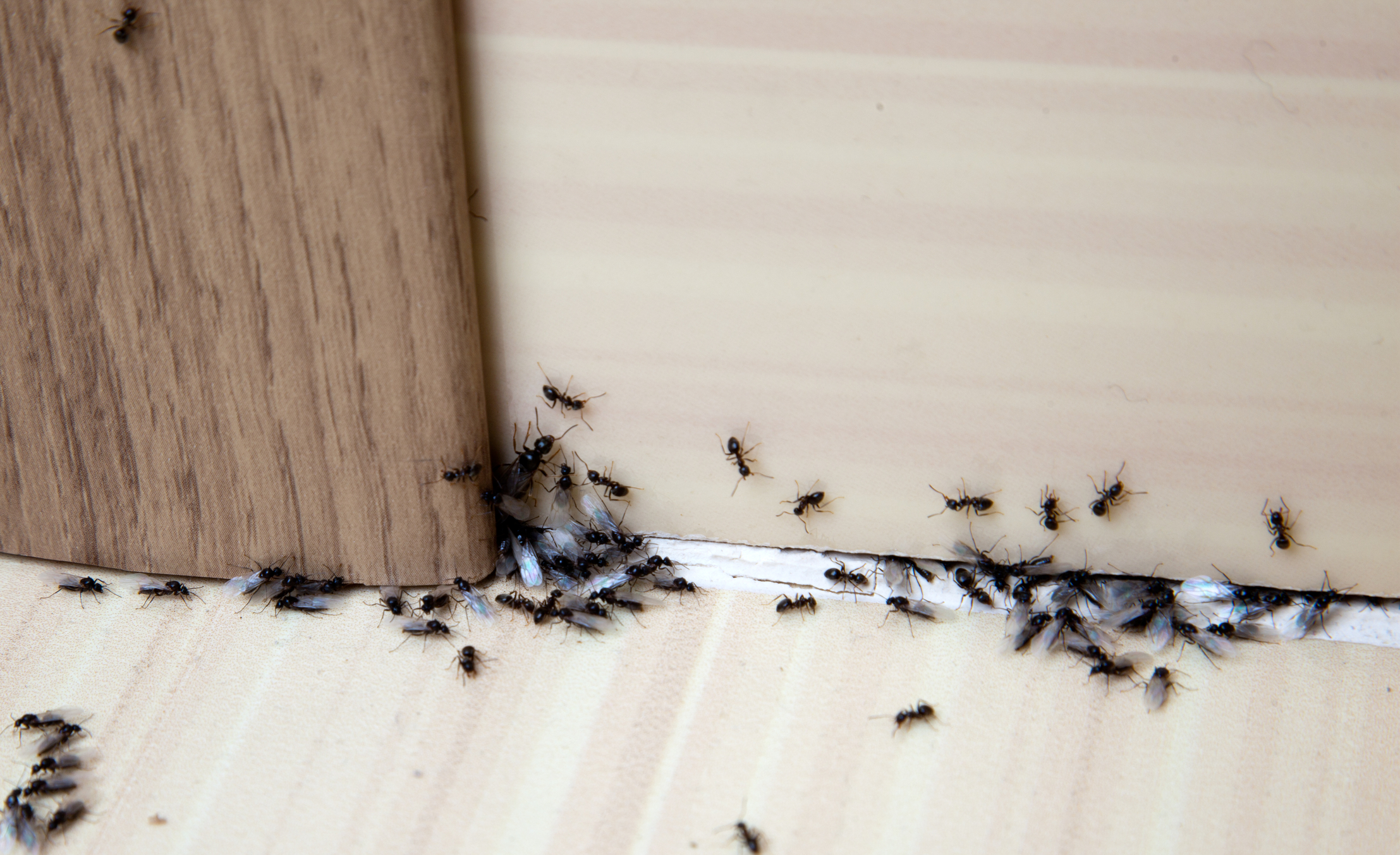
You notice a trail of ants in the kitchen. A scratching sound in the attic. Maybe a cockroach quickly disappears behind the refrigerator. These small signs often indicate a larger issue developing inside the home.
Pests are more than an inconvenience. They can damage property, contaminate food, and create health concerns for families.
Effective pest control is not just about removing insects or rodents. It is about understanding why pests enter a home and taking steps to stop them from returning.
Key Takeaways
- Pest control works best when prevention and treatment are combined
- Small cracks and food sources often attract pests inside homes
- Regular inspections help detect pest problems early
- Professional pest control services provide long-term protection
What Is Pest Control
Pest control refers to the process of managing or eliminating unwanted insects, rodents, and other pests from homes or buildings.
The goal of pest control is not only to remove existing pests but also to prevent future infestations by addressing the conditions that attract them.
Common household pests include
- Ants
- Cockroaches
- Mice and rats
- Spiders
- Termites
A strong pest control strategy focuses on prevention, monitoring, and targeted treatment.
Why Pest Control Is Important
Ignoring pests can lead to several serious problems. Many pests multiply quickly and can spread throughout a home if left untreated.
Rodents may chew through wires and insulation. Cockroaches can contaminate kitchen surfaces. Termites may damage wooden structures.
According to the Centers for Disease Control and Prevention, rodents and insects can spread diseases through contaminated surfaces, food, or droppings.
Regular pest control helps reduce these risks and keeps homes clean and safe.
The Three-Step Pest Control Strategy
Effective pest control usually follows a simple but structured process.
1. Inspection
The first step is identifying the type of pest and locating where they are entering or hiding.
2. Treatment
Depending on the pest, treatments may include traps, baits, or targeted pest control products.
3. Prevention
After treatment, sealing entry points and improving sanitation helps prevent future infestations.
Practical Pest Prevention Tips for Homeowners
Simple maintenance habits can significantly reduce pest problems.
Prevention Action | When It Helps | Simple Cue | Common Mistake |
Seal cracks around walls | When gaps appear | Check near pipes and doors | Ignoring small openings |
Store food securely | In kitchens or pantries | Use airtight containers | Leaving food uncovered |
Remove standing water | Bathrooms or basements | Fix leaks quickly | Ignoring slow drips |
Maintain yard areas | Around foundations | Trim vegetation | Plants touching walls |
These actions make your home less attractive to pests.
Common Pest Control Mistakes
Many homeowners unknowingly make mistakes that allow pests to return.
Using only sprays
Sprays may eliminate visible insects but rarely solve the root problem.
Ignoring small signs
Droppings, scratching sounds, or nests can indicate early infestations.
Delaying professional help
Waiting too long may allow pests to spread further inside the home.
Early action is always the best approach.
Real-World Scenario
A homeowner notices ants appearing in the kitchen every few days. Sprays provide temporary relief, but the ants return.
After inspecting the area, they discover a small crack near the window frame and food crumbs behind the appliance.
Once the crack is sealed and the kitchen is cleaned regularly, the ants stop returning.
The solution was not just removing the ants. It was eliminating the reason they entered the home.
Final Thoughts
Pest control helps protect homes from insects and rodents that can damage property and spread contamination. Effective pest management focuses on inspection, treatment, and prevention. Simple steps like sealing cracks, storing food properly, and fixing leaks can reduce pest activity. Professional pest control services provide additional support when infestations become difficult to manage.
FAQs
What makes a good pest control service
A good pest control service includes inspection, targeted treatments, and long-term prevention strategies.
What are the best practices for preventing pests
Keep homes clean, seal cracks, remove standing water, and store food properly.
When should homeowners hire professional pest control
If pests repeatedly return or infestations spread throughout the home.
What are common signs of pest infestations
Droppings, damaged food packages, scratching sounds, or visible insects.
How often should pest control services be scheduled
Many homes benefit from seasonal or quarterly inspections.
Are pest control treatments safe for homes
Most modern pest control methods focus on targeted and responsible applications.
SO how does The Pest of Times LLC handle pest problems
The Pest of Times LLC performs detailed inspections and uses customized pest control solutions.
SO why choose The Pest of Times LLC for pest control
Their approach focuses on long-term protection and prevention.
What areas of a home attract pests the most
Kitchens, basements, bathrooms, and storage areas with moisture or food sources.
Can pests return after treatment
Yes, if entry points remain open or sanitation issues are not addressed.