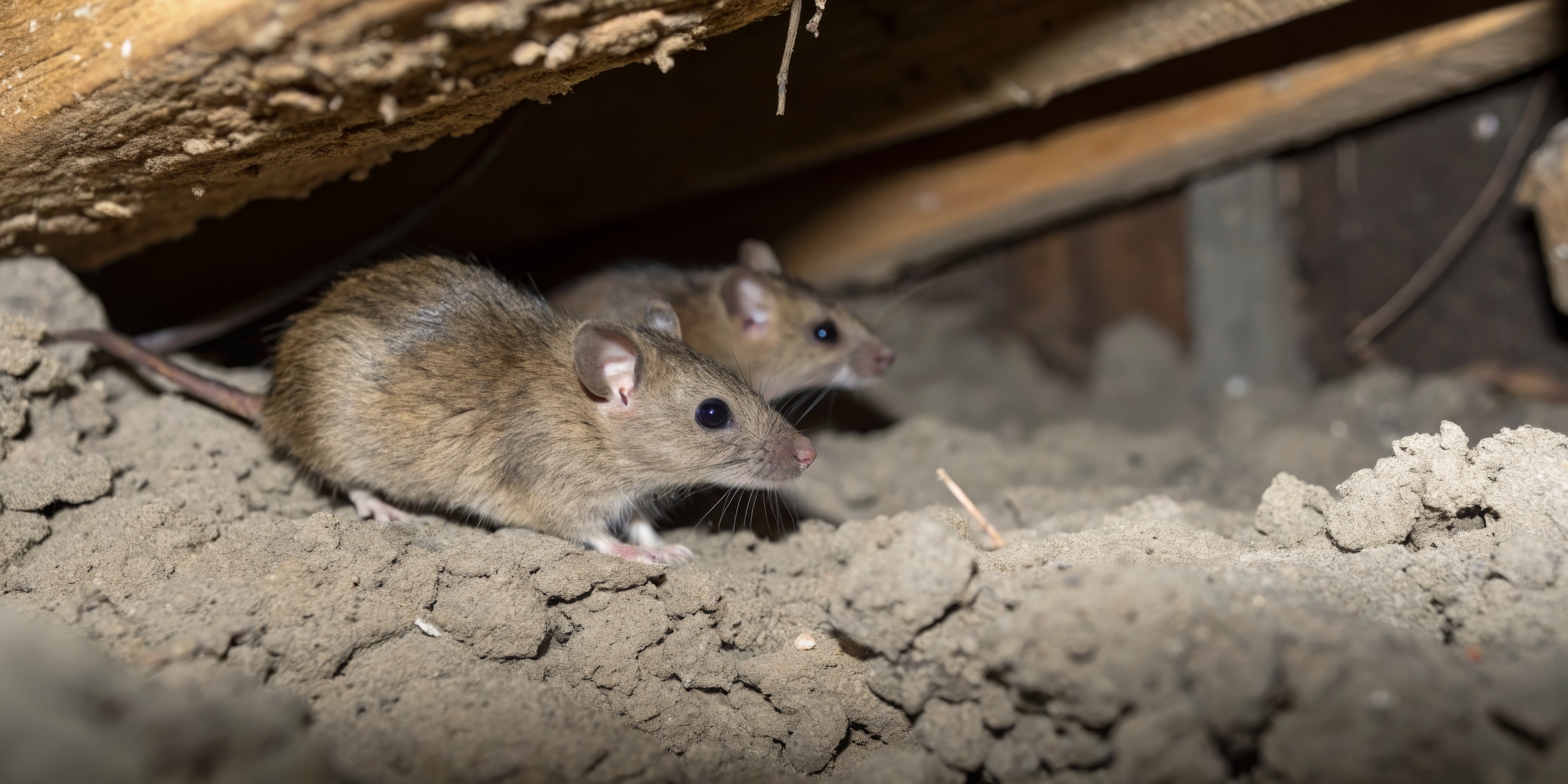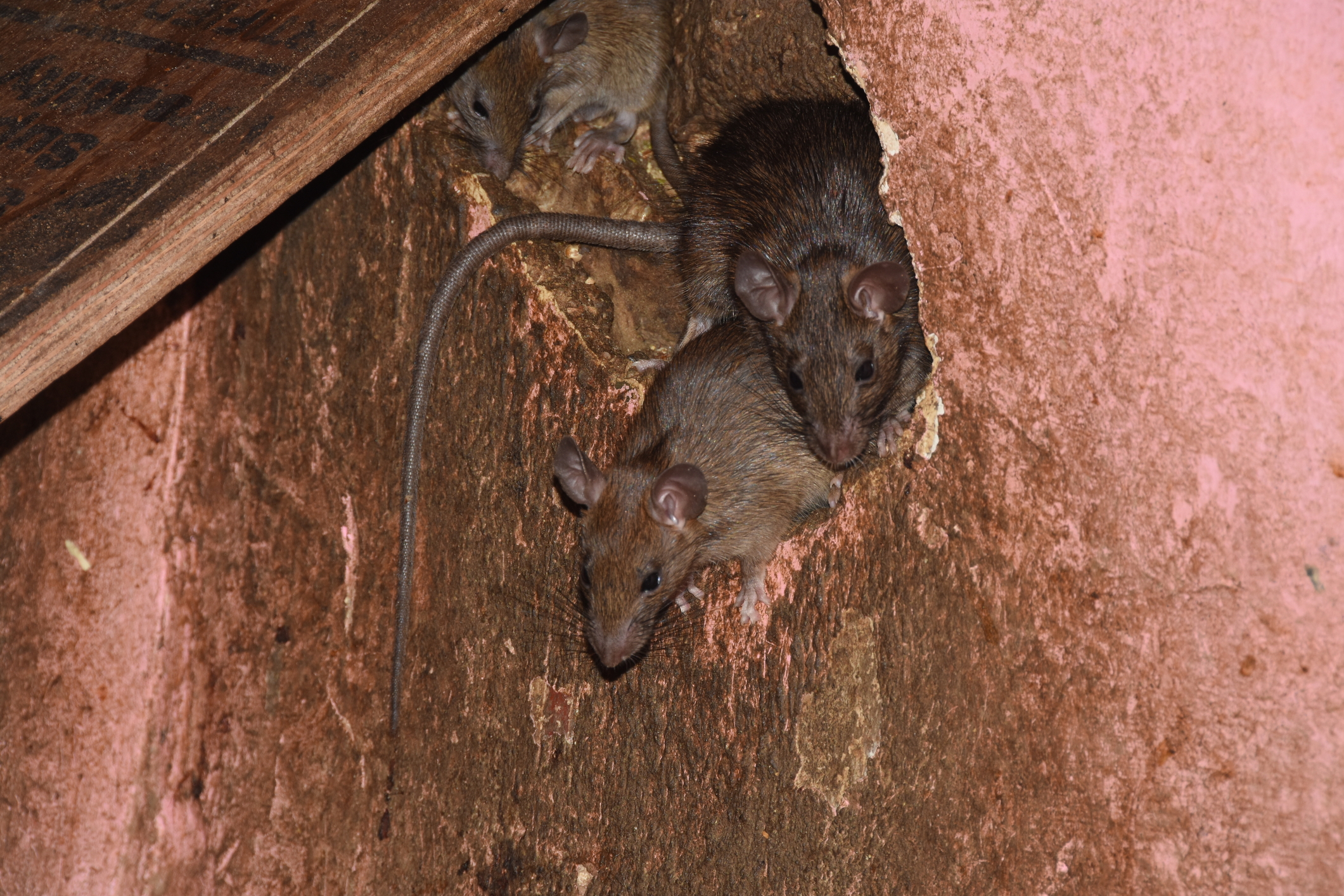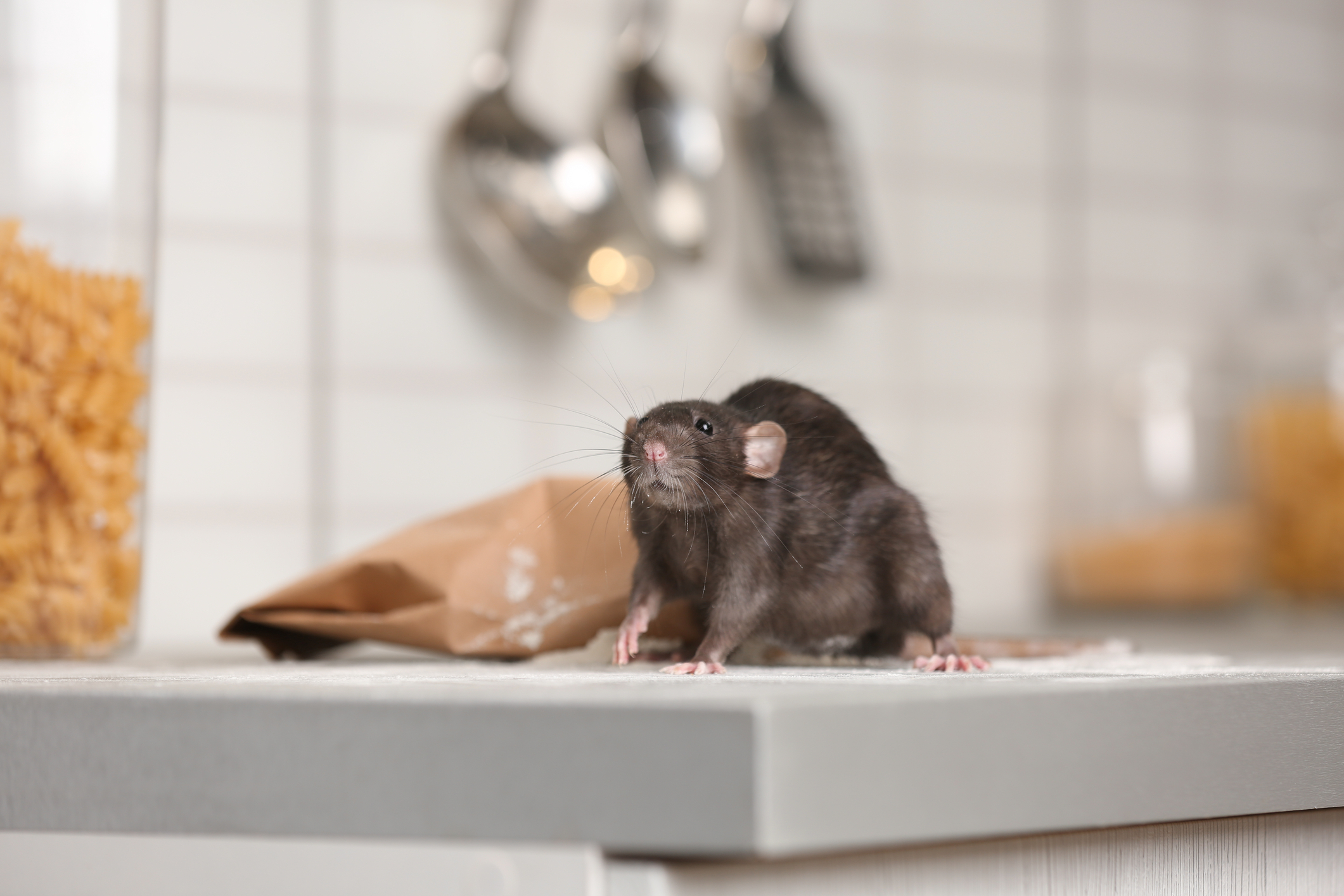
The sound of scratching in the walls, unexplained droppings, or chewed wires instantly triggers stress, frustration, and concern about safety. Rodents don’t just invade homes; they disrupt peace of mind and quietly cause damage that can grow costly fast. Quick fixes like traps may offer momentary relief, but they rarely stop the problem from returning. That’s why rodent exclusion has become the smartest long-term solution for homeowners.
In this guide, you’ll learn how expert exclusion planning works, why it’s more effective than reactive treatments, and how it prevents infestations by stopping rodents before they ever get inside.
What is Rodent Exclusion?
It is a proactive pest prevention method designed to keep rodents out of a structure entirely. Instead of relying on traps or chemicals, exclusion focuses on identifying and closing off every possible access point rodents could use to enter a home. Mice and rats can squeeze through openings as small as a dime, making even minor gaps a serious risk.
The exclusion involves a detailed inspection of the building envelope, followed by targeted repairs and reinforcements. These may include sealing cracks, reinforcing vents, repairing damaged siding, and securing roofline gaps. Once these vulnerabilities are addressed, rodents are physically unable to enter, which prevents infestations from forming in the first place.
Rodent Behavior and Access Points
Understanding rodent behavior is key to effective exclusion. Rodents are driven by food, warmth, and shelter, especially during colder months. They commonly enter through foundation cracks, utility line penetrations, attic vents, crawl spaces, and gaps around doors or windows. Without expert planning, many of these entry points are overlooked, allowing rodents to continue finding their way inside.
How It Works: Step-by-Step Process
Professional exclusion follows a structured process that ensures no detail is missed. It begins with a comprehensive inspection of the entire property, including exterior walls, roofing components, crawl spaces, and attics. During this inspection, technicians identify both active entry points and areas that could become future vulnerabilities.
After the inspection, a customized plan is developed to address each issue. This includes sealing the entry point using durable, gnaw-resistant materials such as metal flashing, hardware cloth, and professional-grade sealants. Repairs are made in a way that blends with the structure while maintaining long-term durability. The final step involves monitoring and maintenance recommendations to ensure the exclusion remains effective over time.
DIY vs. Professional Exclusion
While some homeowners attempt exclusion themselves, DIY approaches often fall short. Without specialized training, it is easy to miss hidden access points or use materials that rodents can chew through. Professional exclusion planning accounts for rodent behavior, building design, and long-term durability, delivering results that temporary fixes simply cannot match.
Benefits of Exclusion Planning
One of the greatest advantages of rodent exclusion is its long-term effectiveness. By eliminating access, rodents are unable to return, reducing the need for repeated treatments. This not only saves money over time but also minimizes stress and disruption for homeowners.
Exclusion also protects the structural integrity of a home. Rodents can cause extensive damage by chewing through wiring, insulation, and wooden supports. Preventing their entry reduces the risk of electrical fires, moisture issues, and costly repairs.
Health and Safety Benefits
Rodents carry bacteria, parasites, and allergens that can pose serious health risks. Exclusion helps protect indoor air quality and reduces exposure to contaminants. Because it relies on physical barriers rather than chemicals, exclusion is also safer for children and pets, making it an ideal solution for families.
Why Rodent Exclusion is More Cost-Effective
Although exclusion may require a higher upfront investment than traps, it is far more cost-effective in the long run. Repeated infestations often lead to ongoing service calls, property damage, and increased utility costs due to compromised insulation. Proper exclusion eliminates these recurring expenses.
By sealing gaps and cracks, exclusion can also improve energy efficiency. Homes with fewer openings retain heated and cooled air more effectively, which can lower monthly energy bills. Over time, these savings help offset the initial cost of professional services.
Rodent Control vs. Expert Exclusion Planning
Factor | Reactive Rodent Control | Expert Exclusion Planning |
Approach | Responds after rodents are already inside | Prevents rodents from entering in the first place |
Long-Term Effectiveness | Temporary relief; infestations often return | Long-lasting protection through physical barriers |
Entry Point Coverage | Limited or none | Comprehensive inspection and sealing entry point |
Safety for Families & Pets | Often relies on traps or chemicals | Focuses on structural solutions with minimal chemical use |
Overall Cost Over Time | Higher due to repeat treatments and repairs | Lower long-term costs through prevention and durability |
Entry Point Sealing and Rodent-Proofing Techniques
Effective exclusion relies on proven proofing methods that are designed to withstand constant pressure from rodents. Sealing the entry point focuses on areas most vulnerable to gnawing and weather exposure. Materials used must be strong enough to resist chewing while remaining flexible enough to accommodate building movement.
Professionals also assess secondary vulnerabilities, such as gaps created by aging materials or previous repairs. By addressing both current and potential access points, exclusion provides comprehensive protection rather than a partial solution.
Structural Pest Prevention Through Exclusion
Beyond rodents, exclusion plays a major role in the structural prevention of pests. Many insects and other pests exploit the same gaps and openings as rodents. By reinforcing these areas, homeowners gain broader protection against a range of unwanted intruders. This integrated approach strengthens the building envelope and reduces the overall risk of pest-related issues.
Key Takeaways
- The exclusion of rodents prevents infestations before they start.
- Expert planning ensures no entry point is overlooked.
- Exclusion protects health, safety, and structural integrity.
- Long-term savings outweigh short-term fixes.
- Physical barriers are safer than chemical-heavy solutions.
Final Take
Expert planning makes rodent exclusion one of the most effective ways to prevent infestations rather than constantly reacting to them. By sealing access points, reinforcing vulnerable structures, and addressing rodent behavior at its source, homeowners gain lasting protection and peace of mind. Professionals like The Pest of Times, LLC help homeowners protect their properties with expert rodent exclusion services in Albuquerque, NM.
Contact the team today by emailing thepestoftimesllc@gmail.com or calling 505-259-3878 to schedule a consultation and keep rodents out for good.
FAQs
What is rodent exclusion, and how does it prevent infestations?
It prevents infestations by physically blocking rodents from entering a structure. By sealing all access points, rodents are unable to reach food and shelter indoors.
How long do professional rodent exclusion services last?
When installed correctly using durable materials, exclusion solutions can last for years. Periodic inspections help ensure continued effectiveness.
Is rodent exclusion safe for children and pets?
Yes, exclusion relies on physical barriers rather than poisons or heavy chemicals, making it a safe option for households with children and pets.
Can rodent exclusion completely stop future infestations?
While no method offers a 100 percent guarantee, professional exclusion dramatically reduces the likelihood of future infestations when properly maintained.
When should homeowners schedule rodent exclusion services?
Homeowners should schedule exclusion at the first sign of rodent activity or proactively before seasonal changes when rodents seek shelter indoors.